
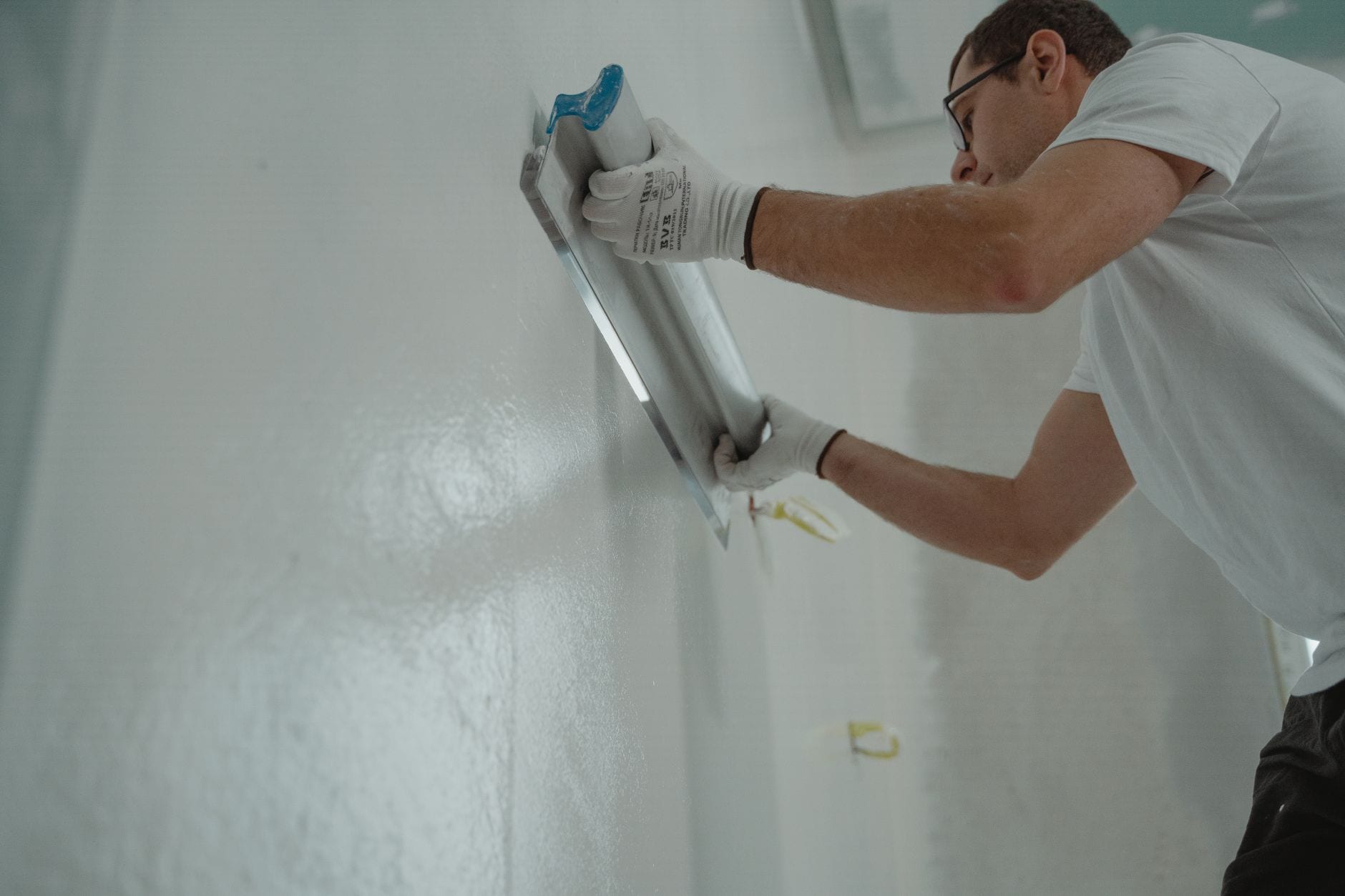
Wall painting in Sydney
Wall painting, from one feature wall to a whole room
The wall surface on its own, with the ceiling and the trim left as they are. Holes filled, patches sealed and primed, then two coats in a sheen chosen for the light the room actually gets.
Get a free quoteLicensed and insured. Same day service.
Wall work
Six reasons a wall gets painted on its own
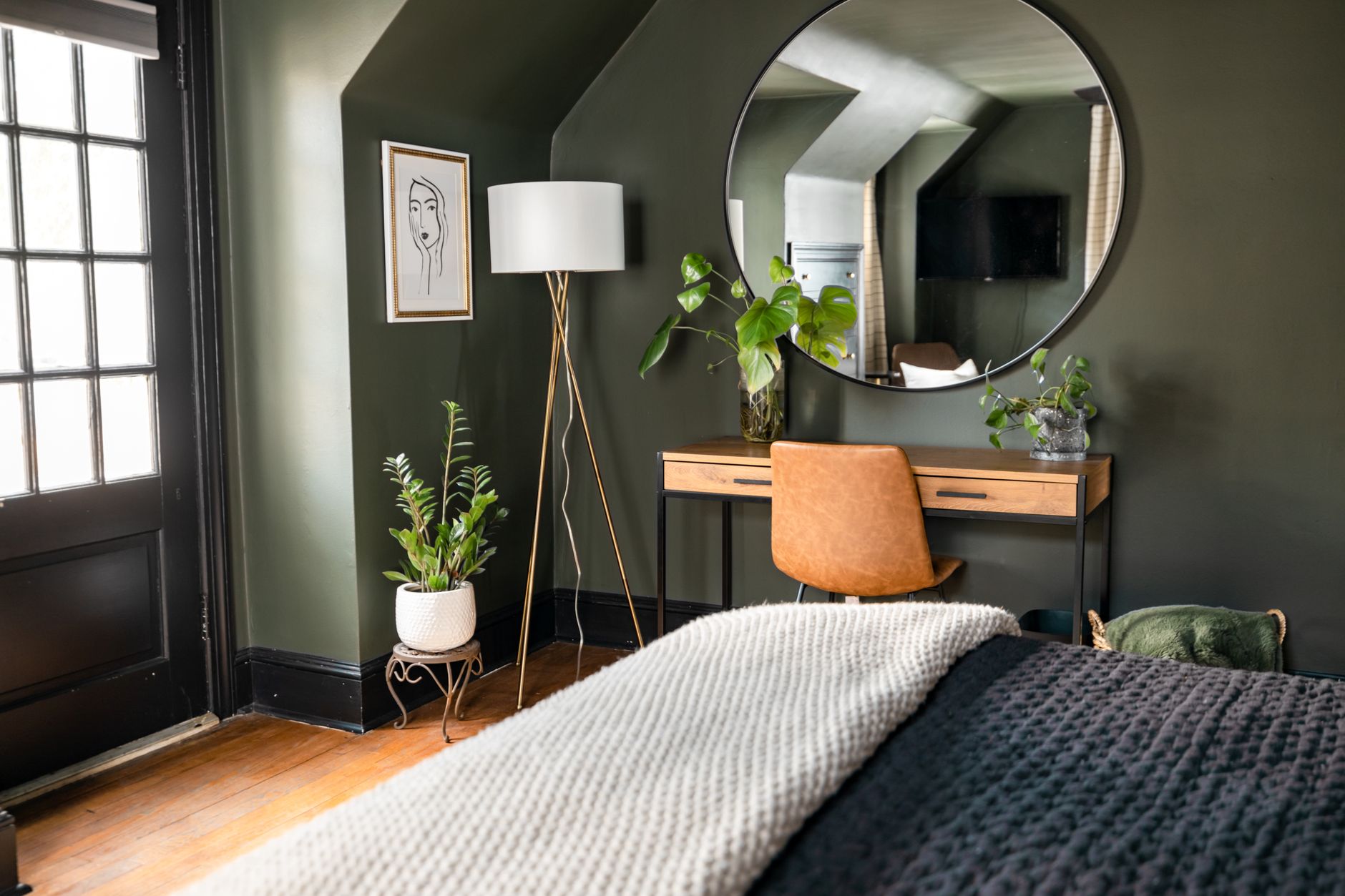
A feature wall
One wall in a deeper tone. The two internal corners decide whether it reads as deliberate, because the colour change has to land exactly on the corner and not a few millimetres around it.
See interior paintingWalls only, ceiling staying
The narrow version of a repaint, and the cheapest honest one. Worth knowing that a fresh wall colour usually shows up a ceiling that has yellowed, which is better seen before the walls are done than after.
See repaintingA wall where the trim is staying
The join between wall and skirting takes a bead of flexible sealant and a clean cut in. Done properly the old trim looks right against a new wall. Done badly it is the first thing anyone sees.
See skirting and architravesA wall that has been patched
Where a shelf came down, a wall was made good after other work, or a crack was filled. The patch is the problem rather than the colour: filler nobody sealed dries to a different sheen and shows in raking light for good.
See all painting workA rendered wall outside
A boundary wall, a garage side or a rendered front fence. Same idea, different product, and the wall has to be washed and then dry right through before anything goes on it.
See exterior paintingWalls in an office or shop
Corridors, stairwells and lift lobbies take trolleys, shoulders and cleaning, so those walls get a harder finish than a bedroom wall ever needs.
See commercial paintingWhat happens to a wall before it gets its colour
First
Look at the wall in raking light
Hold a light flat along the surface, or wait until the sun comes low through the window. Every dent, old patch and picture fixing that would otherwise show through a fresh coat shows up now. It is the difference between a quote for painting a wall and a quote for painting the wall you actually have.
Then
Fixings out, holes filled twice
Picture hooks, anchors and old wall plugs come out rather than getting painted around. A deep plug hole is filled in two passes, because filler shrinks as it dries and one pass leaves a dimple you only notice once the paint is on it.
Next
Cracks cut open, not covered
A hairline crack filled on the surface reopens through the new paint within a season. It is cut open into a V so the filler has something to hold, filled, sanded flush, then checked in raking light again before anything else happens.
Before any colour
Seal every patch
Fresh filler is porous and drinks the topcoat, so a patched wall painted without a spot prime dries with a flat halo around each repair. This is the step that gets skipped, and it is why a wall can look patchy when the colour on it is perfectly even.
Cutting in
The edges decide it
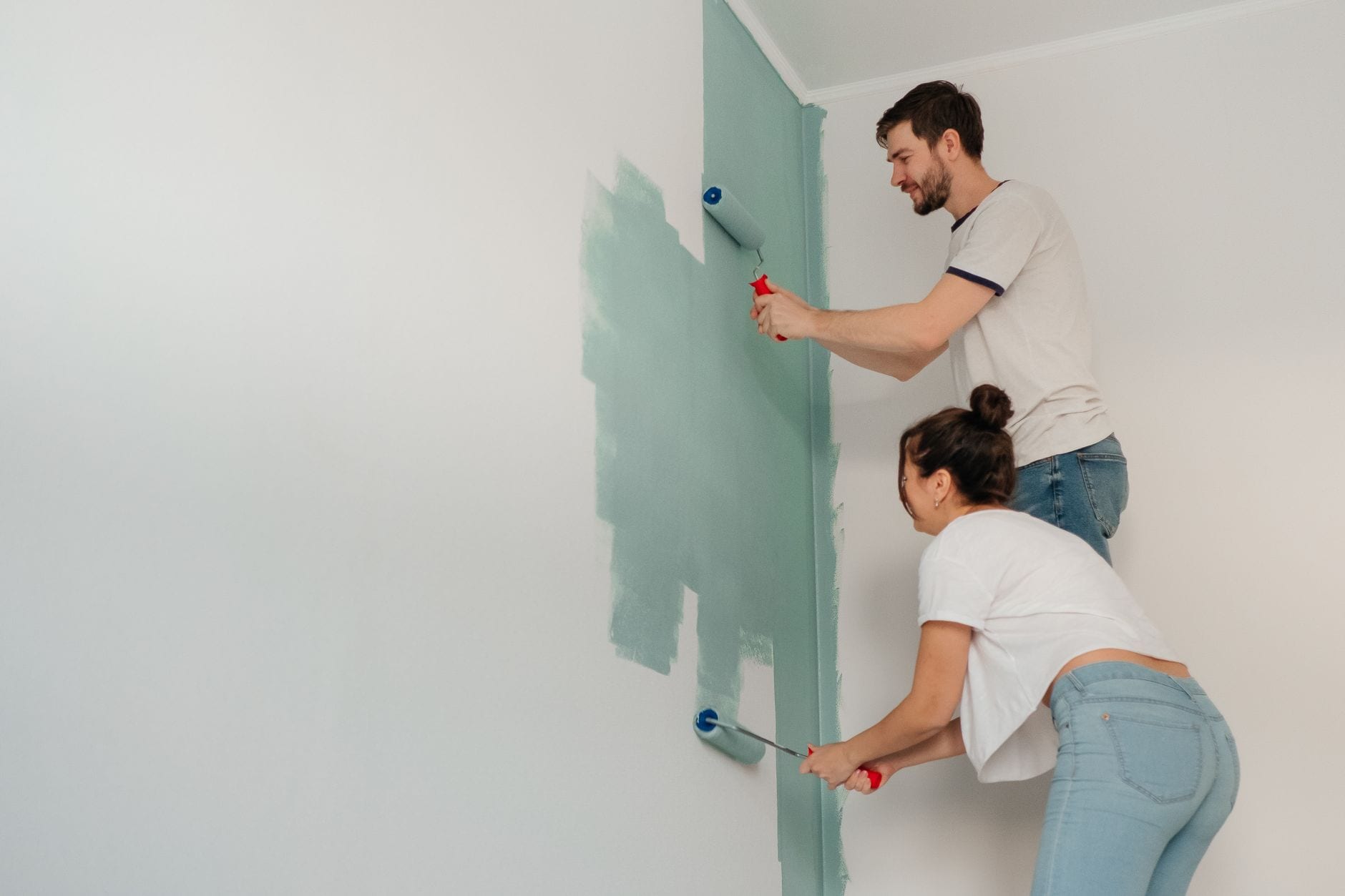
The lines where the wall meets the ceiling, the skirting and the architrave are cut in by brush. On a feature wall the internal corner is the line that matters, and it is cut rather than taped, because tape over textured paint bleeds underneath.
Two coats
Rolled into a wet edge
The field is rolled into the cut in line before it sets so the two blend instead of showing a frame around the wall. Two coats is standard, and a strong colour over a pale wall usually wants a tinted undercoat first so that it is two and not three.
A feature wall and a room of walls are two different jobs
The preparation is the same either way. The quote, the time on site and what can go wrong are not.
One wall in a deeper or warmer tone, usually behind a bed, a sofa or a fireplace. It is a half day of work, and most of the skill in it sits in the two internal corners and the line at the ceiling.
What decides it. Light. A deep colour on the wall opposite a window reads far darker than the same colour on the wall beside it, and a south facing room gets no direct sun at all. Brush a sample out on the wall itself and look at it in the morning and at night before committing to it.
What goes wrong. Deep bases have less hiding power and can take a third coat if there is no tinted undercoat under them. And a colour carried a few millimetres around the corner is the tell that the edge was rolled rather than cut.
Local conditions
What a Sydney room does to a wall colour
Which way the room faces
A north facing room takes strong light most of the day and washes a pale colour out to almost nothing. A south facing room never gets direct sun and makes the same colour read grey. The wall decides the colour, not the chart.
Summer humidity slows the recoat
Through a humid February the wait between coats stretches out. Rolling the second coat on too early drags the first one and leaves marks that do not flatten out as it dries.
Older plaster
Lath and plaster sounds hollow when you tap it and cracks along the lath lines. A crack there is a movement crack, so it is cut open and filled as one, rather than topped up to be reopened next summer.
Wet area walls
A bathroom or laundry wall wants a finish that takes cleaning and does not hold mould in the corners. Mould already there is treated before anything is painted over it, or it grows straight back through.
Rendered walls outside
A boundary or garage wall is washed and then left to dry right through. Render holds water for longer than it looks like it does, and paint over a damp wall blisters in the first hot week.
Strata and shared walls
Inside your own lot the wall is yours. Common area walls and anything on the outside of the building usually need the committee, which is worth checking before the colour is bought.
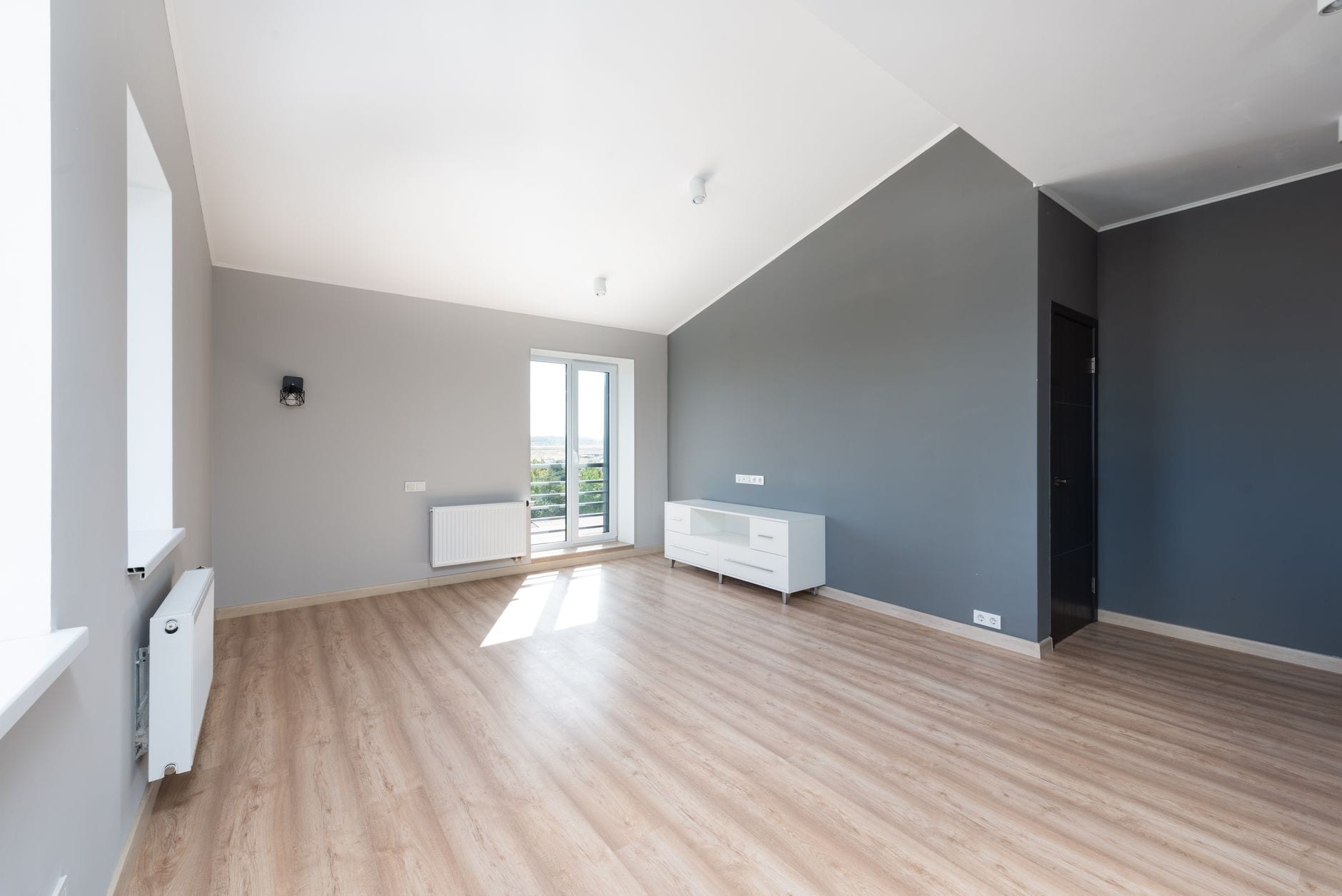
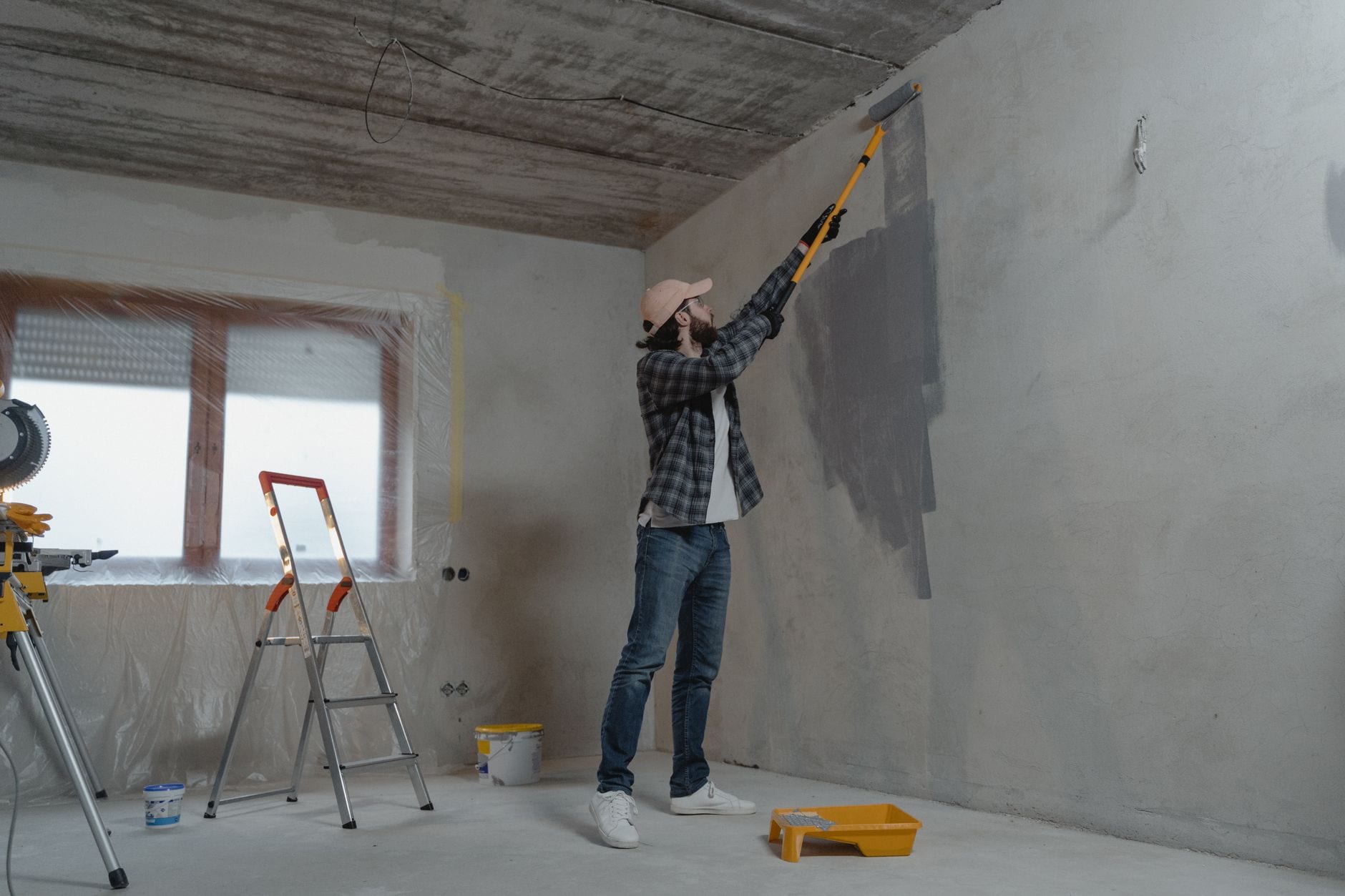
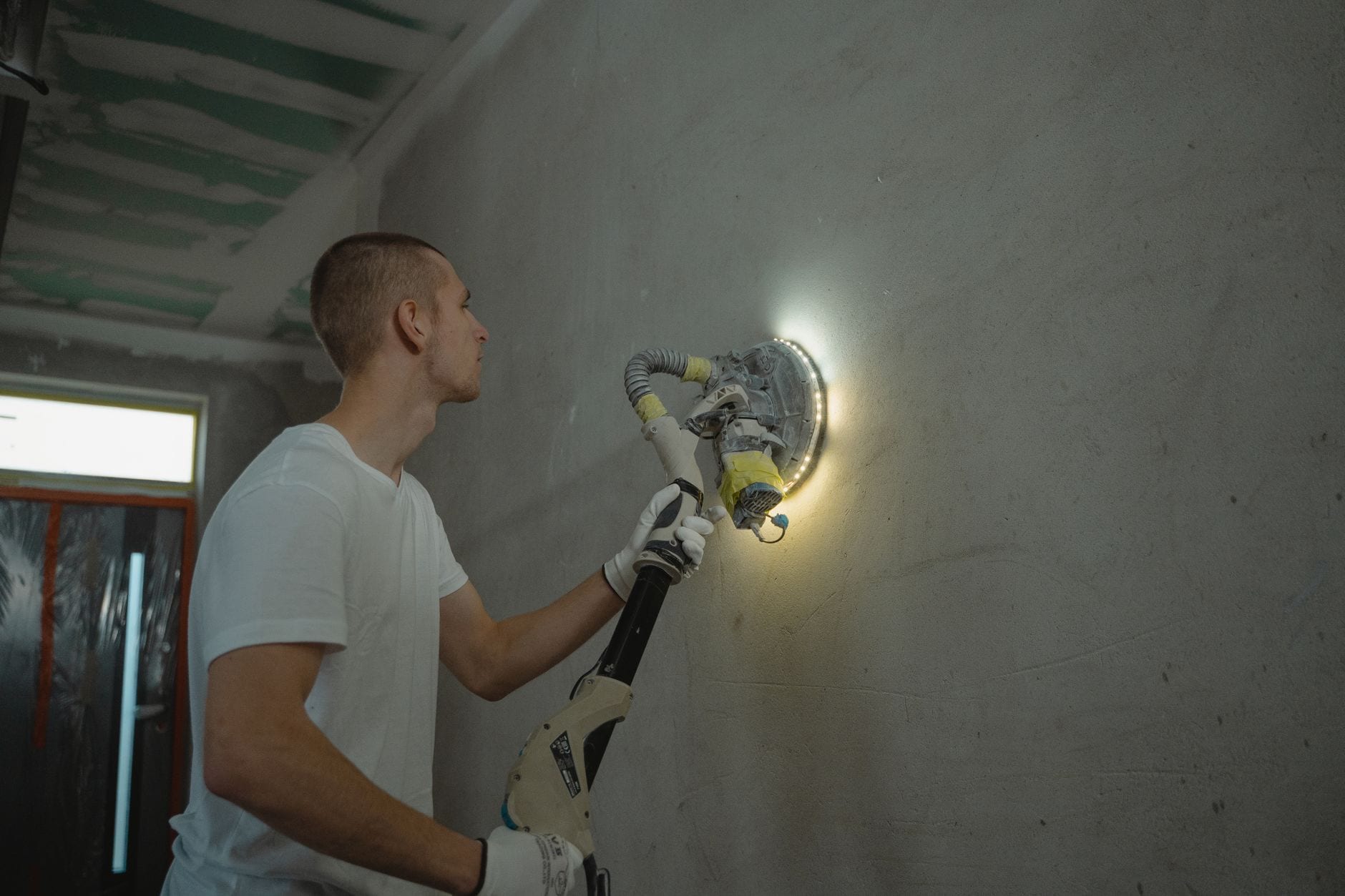
What wall painting looks like
Questions people ask about painting walls
Colour, patches, sheen, and what shows up afterwards.
Get your wall painting quote
Tell us how many walls, whether it is one wall or one room, and whether the ceiling and trim are staying. A photo taken with the light running along the wall tells us more than the measurements do.