
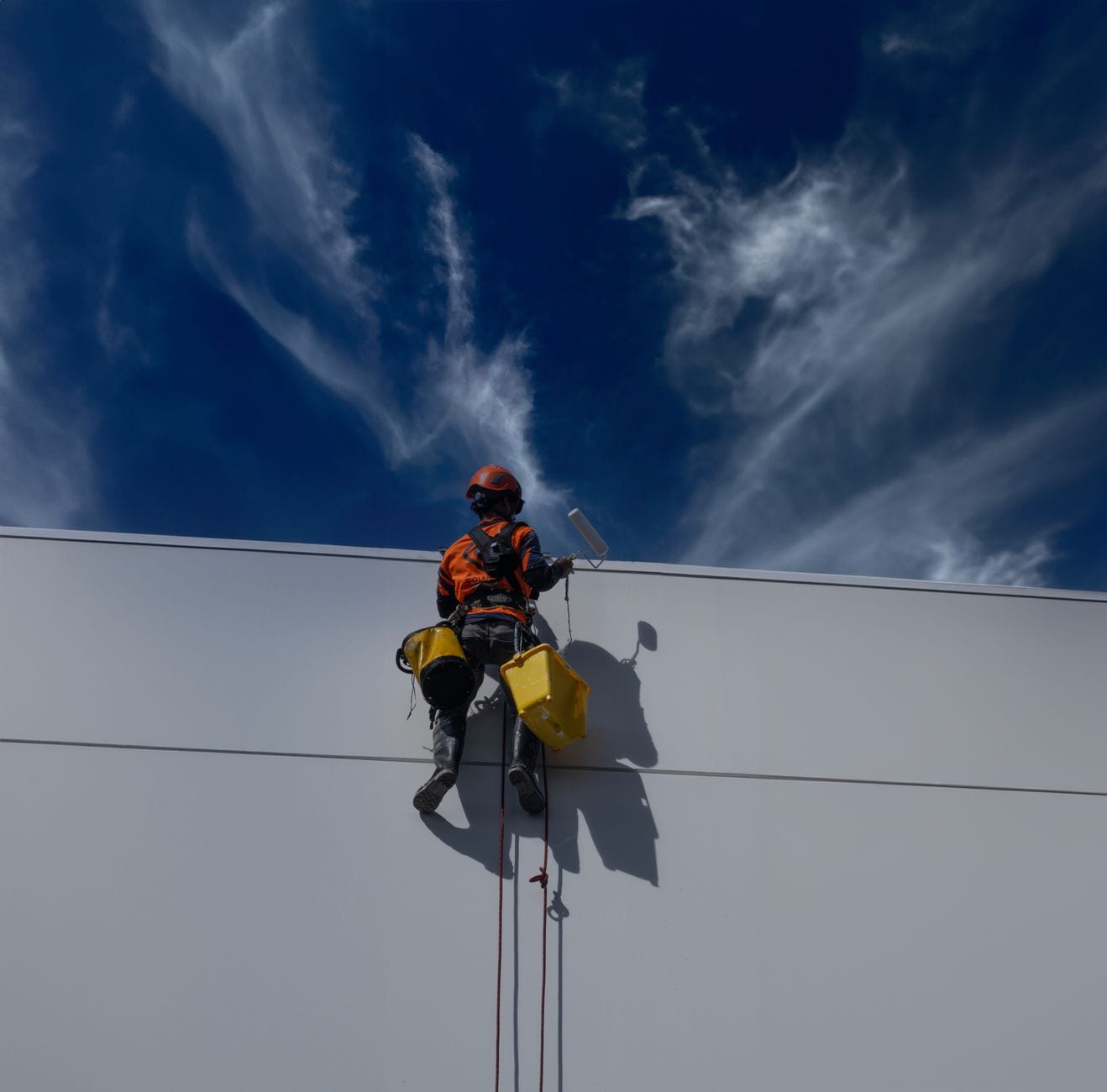
Commercial painting in Sydney
Commercial painting across greater Sydney
Offices, retail, warehouses and strata common property. The surfaces are much the same as a house. What changes is that the place has to keep trading while the work happens, so the job is staged around your hours and made good before you open.
Get a free quoteLicensed and insured. Same day service.
Commercial work
Six kinds of commercial surface, and what each one asks for
Offices and fitouts
Partitions, set cornice, ceilings, doors and frames in a space that is full of things that do not move: workstations, cabling, ceiling tiles, security and fire fittings.
See interior paintingShopfronts and facades
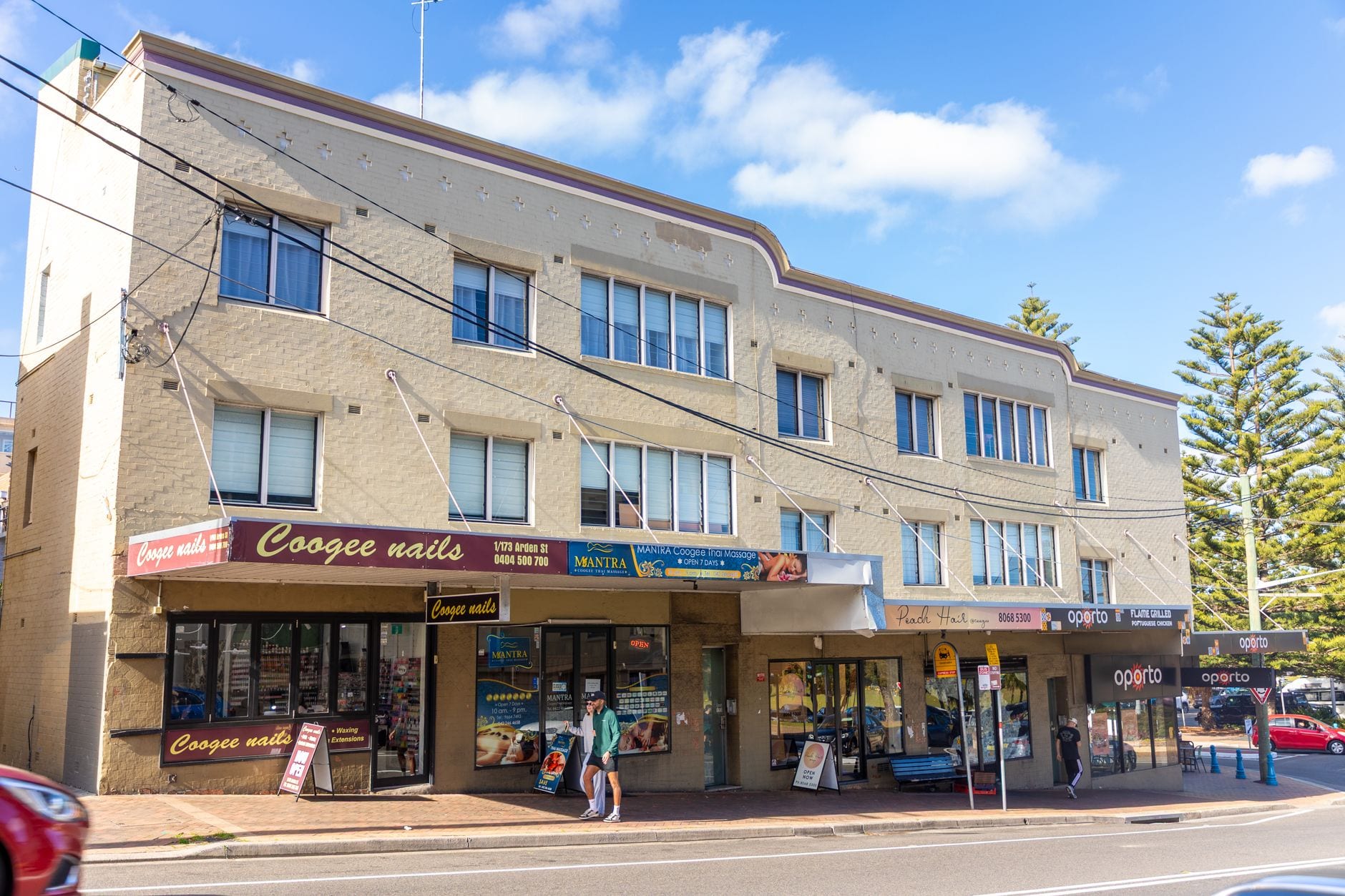
The face the street sees. Render, masonry, steel and glazing frames, and on a strip shop a frontage with no side access and a footpath in front of it.
See exterior paintingWarehouse floors and carparks
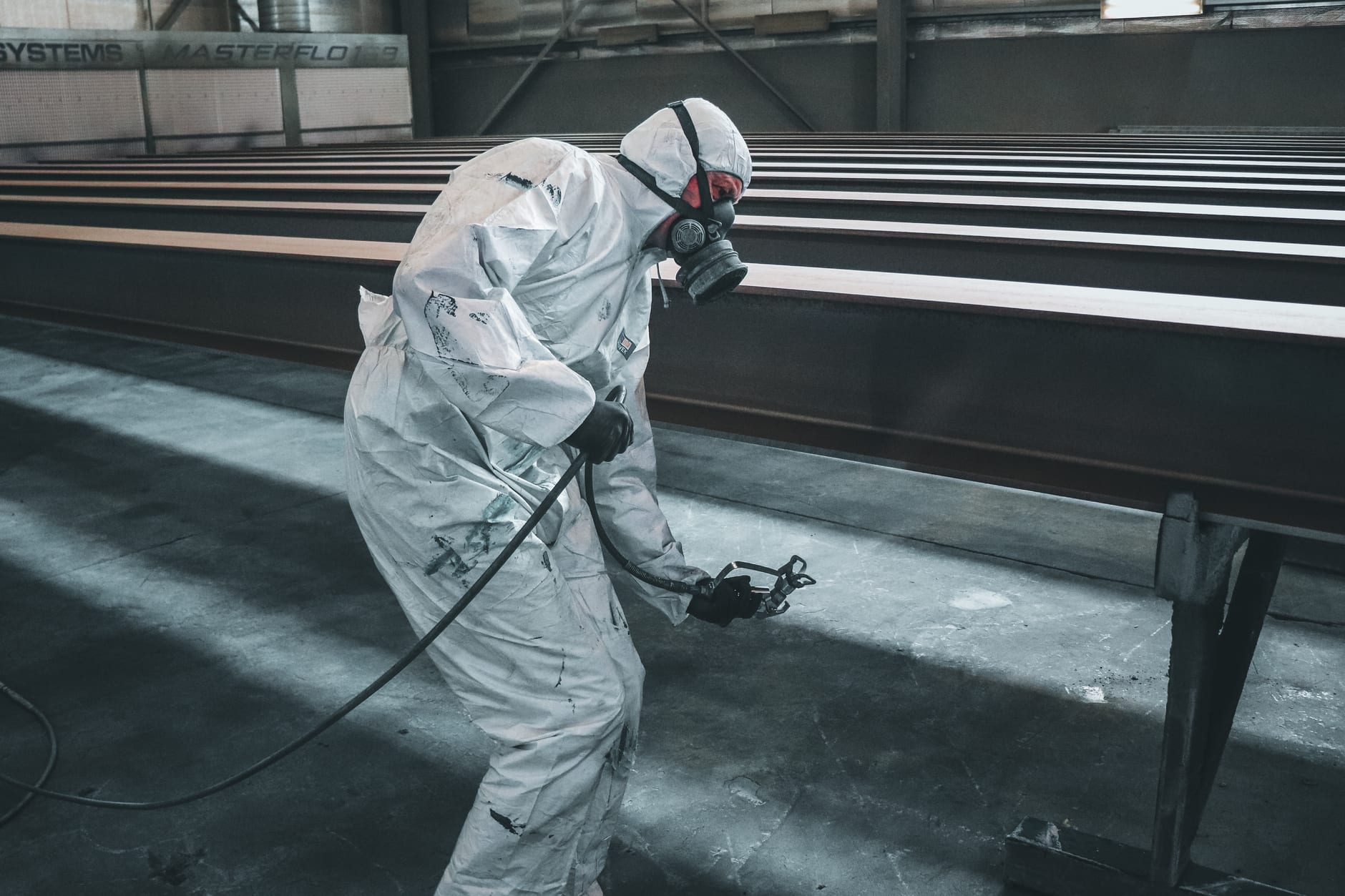
A slab that has been driven on is its own trade. Degreased, opened up, checked for moisture, then sealed or coated depending on what runs across it.
See concrete sealingStrata common property
Lobbies, corridors, stairwells, carpark walls and balcony soffits on a repaint cycle, run within the building hours with a way in and out kept open.
See repaintingDoors, frames and joinery
The parts of a commercial fitout that get touched every day, and the ones that show a cheap finish first.
See doors and windowsThe facade wash first
Traffic film, exhaust soot, mould and salt come off before any coating. On a commercial site the wash water has to be contained, not sent to the drain.
See pressure cleaningPainting a building that is still open
Before the quote
A walk through, after hours
Half of a commercial quote is access, not area. Which floors, when they are empty, where the paint and the gear can be stored, whether the lift or the loading dock has to be booked, and who runs the induction. A rate per square metre that ignores all of that is a guess with a decimal point on it.
Then
The site is cut into areas
The building is split into zones and each one is taken out of use for as short a time as possible. A corridor is done in halves so there is always a way through. A floor plate is done a wing at a time so the staff move once rather than every morning.
The day before
Everything that can move, moves
Desks, stock, signage and anything sitting at skirting level. What cannot move is sheeted and taped. The building manager gets that list before the shift rather than on the night, because the one item nobody thought about is what stops the work at eight o'clock.
Through the shift
Low odour, and the air moving
Low VOC products keep the smell down so a floor can go back into service the same morning. Doors get wedged and the mechanical ventilation runs while the work happens, because the difference between a space that smells and one that does not is mostly air changes rather than the tin.
Before the doors open
Cleaned off while it is still soft
Tape and sheeting off, hardware back on, floors vacuumed, and every splash taken off glass, switch plates and door furniture before it cures. Paint left to dry on an aluminium frame comes off with a blade and a scratch, and the scratch is permanent.
At the end
A defects walk, in daylight
The last job is a walk with whoever signs it off, in daylight rather than under the fitout lighting, with the list written down. Under downlights a wall looks finished. At a window, at an angle, it does not, and that is the angle your staff will see it from every day.
Three kinds of commercial site, three different weeks
The surfaces are much the same across all three. What changes is who else is in the building, what the finish has to survive, and who has to sign it off.
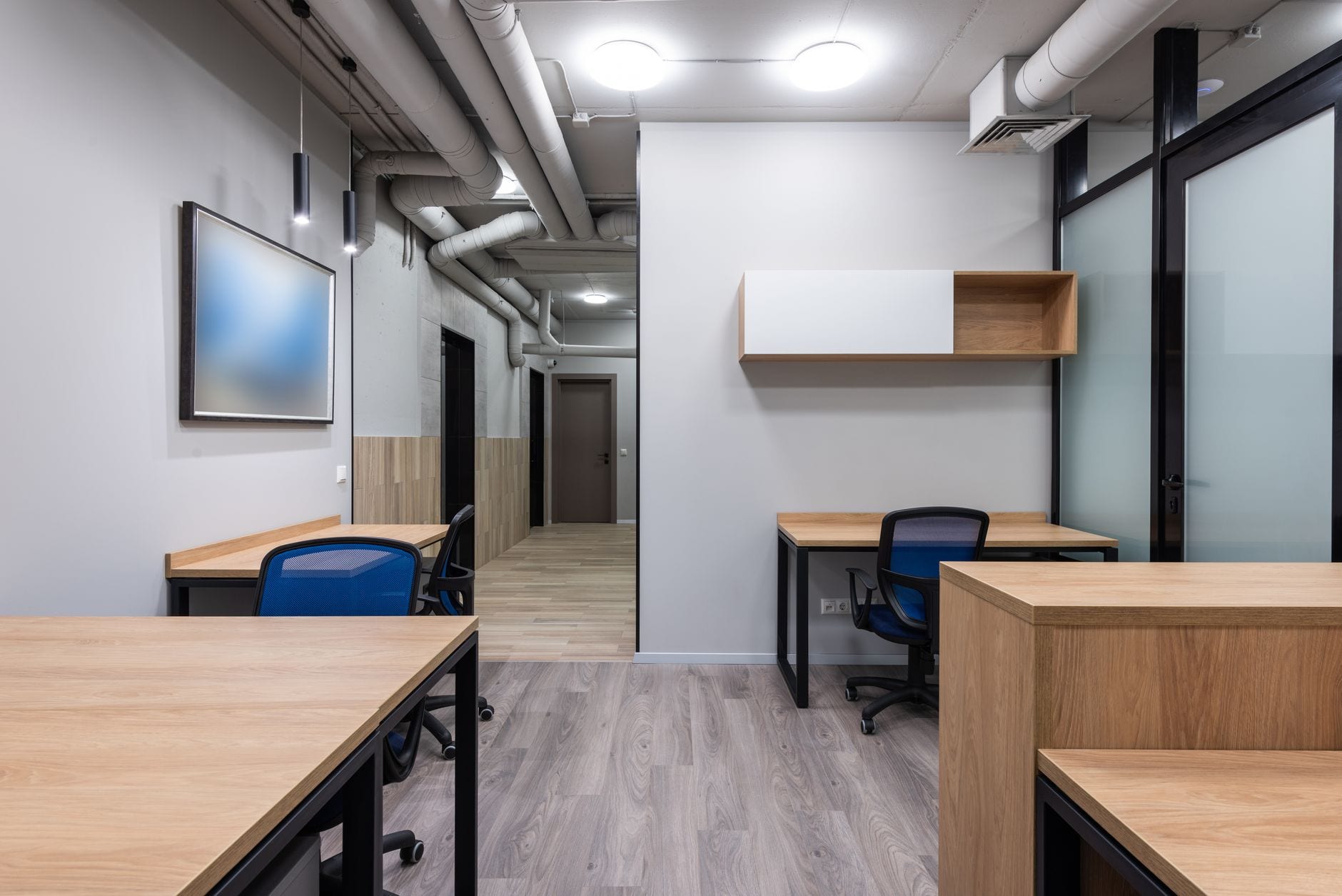
Plasterboard partitions, set cornice, ceilings, doors and frames, and out the front a shopfront facing the street. A fitted out space is full of things that do not move: workstations, cabling, ceiling tiles, security and fire fittings.
When it happens. After close or across a weekend, most of the time. A retail tenancy loses money for every hour it is shut, so the work is cut to fit between close and open, and a shopfront is done overnight rather than through a Saturday trade.
Finish. Harder wearing coatings through corridors, lift lobbies, stairwells and anywhere a trolley or the back of a chair touches a wall. Washable rather than flat, because a flat wall in a public corridor is marked inside a month.
What ruins it. Painting up to a ceiling tile grid instead of lifting the tiles. The roller stops at the grid, the tile edge keeps the old colour, and that line is the first thing anybody notices.
Local conditions
What a Sydney commercial building adds to the job
Trading hours set the programme
Retail loses money for every hour it is shut and an office cannot have a floor full of odour at nine. The hours you can give us are the first thing a quote is built around, because they decide how many shifts the job takes.
Noisy work has permitted hours
A building's own rules, the council's permitted construction hours and, on newer sites, a condition on the development consent all limit when noisy work can happen. Worth checking before the programme is set rather than after.
Lifts, loading docks and swipe access
A tower or a strata block usually needs the service lift booked, the loading dock booked and a card or an escort for every person on site. That is a day of lead time in most buildings and it is where commercial jobs lose time.
Salt air on a harbourside frontage
Near the water, salt settles on render, steel and glazing frames and works its way under a coating. Those exteriors want a thorough wash and a coating that stays flexible, and they come back around sooner than the same building inland.
Inner city strips and heritage frontages
An older shopfront has no side access, a narrow footpath and often painted masonry or sandstone that has to be treated on its own terms. Scaffold or a hoarding over a footpath needs council permission, and that has its own lead time.
Humidity, and a floor that reopens tomorrow
Through a Sydney summer a coating in a closed, air conditioned building dries slower than the tin says, because the air is already carrying water. That is the difference between a floor that opens clean on Monday and one that opens with fingerprints in it.
What commercial painting looks like
The work that sits either side of a commercial repaint
Three jobs that turn up on the same commercial quote, each one its own trade.

Before the facade coat
The wash, and where the water goes
- Lifts traffic film, soot, mould and salt
- Shows up the render and the sealant that needs repair
- Wash water is contained rather than sent to the drain
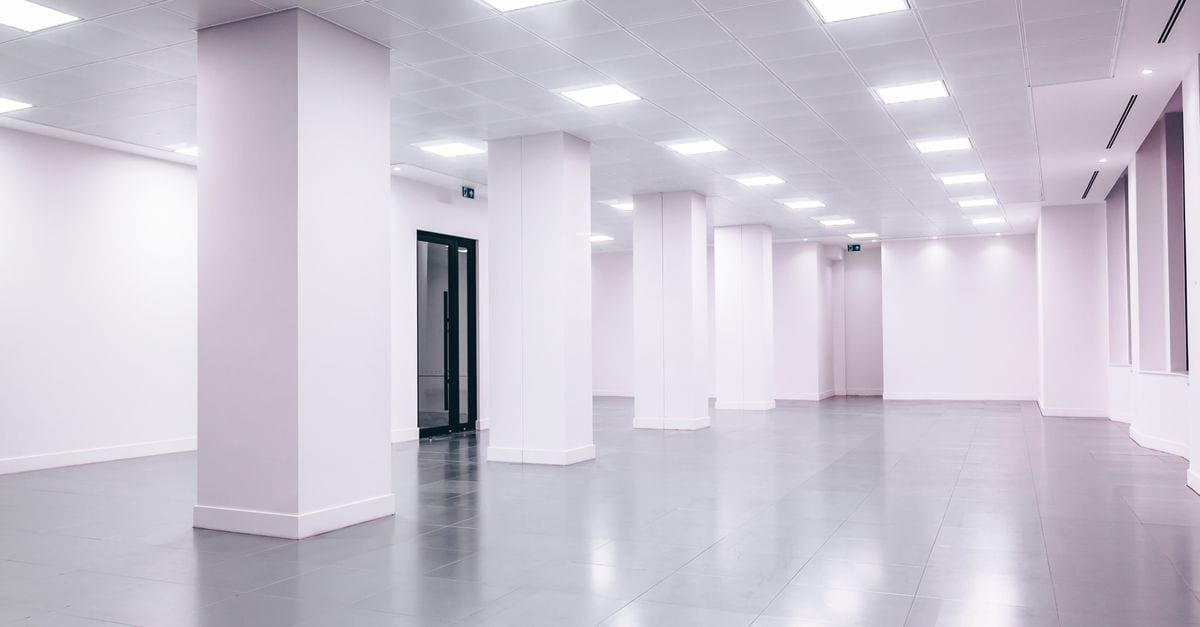
Under the racking and the cars
The floor is a different trade from the walls
- Degreased, then mechanically opened up
- Checked for moisture rising through the slab
- Sealed, coated, or given a textured non slip finish
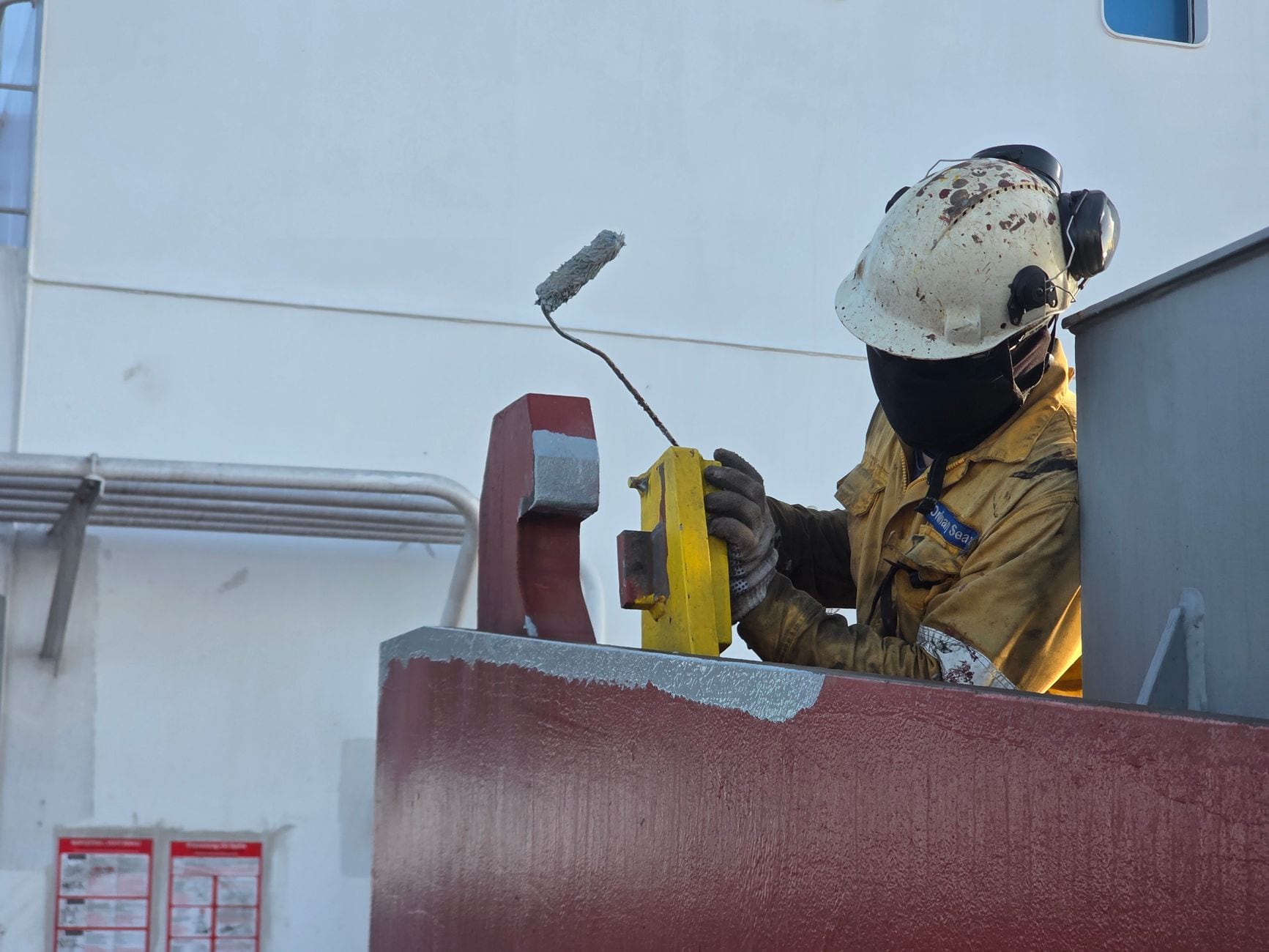
At the end of a lease
Making good, before the keys go back
- Back to the base building colour scheme
- Anchor holes, brackets and penetrations made good
- Booked against the handback date, not after it
Questions businesses ask before booking a painter
The ones that come up before a commercial painting job is booked.
Get your commercial painting quote
Tell us the type of premises, roughly how much wall or floor there is, and the hours we can have it. Those three answers are most of a commercial quote.