
Pest control in Sydney
Home and commercial pest control in Sydney
Three jobs sit under this: a general treatment for ants, cockroaches, spiders, fleas, silverfish, rats and mice, a dedicated bedbug treatment, and a whole property treatment timed to an end of lease handover. Each one starts by finding where the pest lives, not where you saw it.
Get a free quoteLicensed and insured. Same day service.
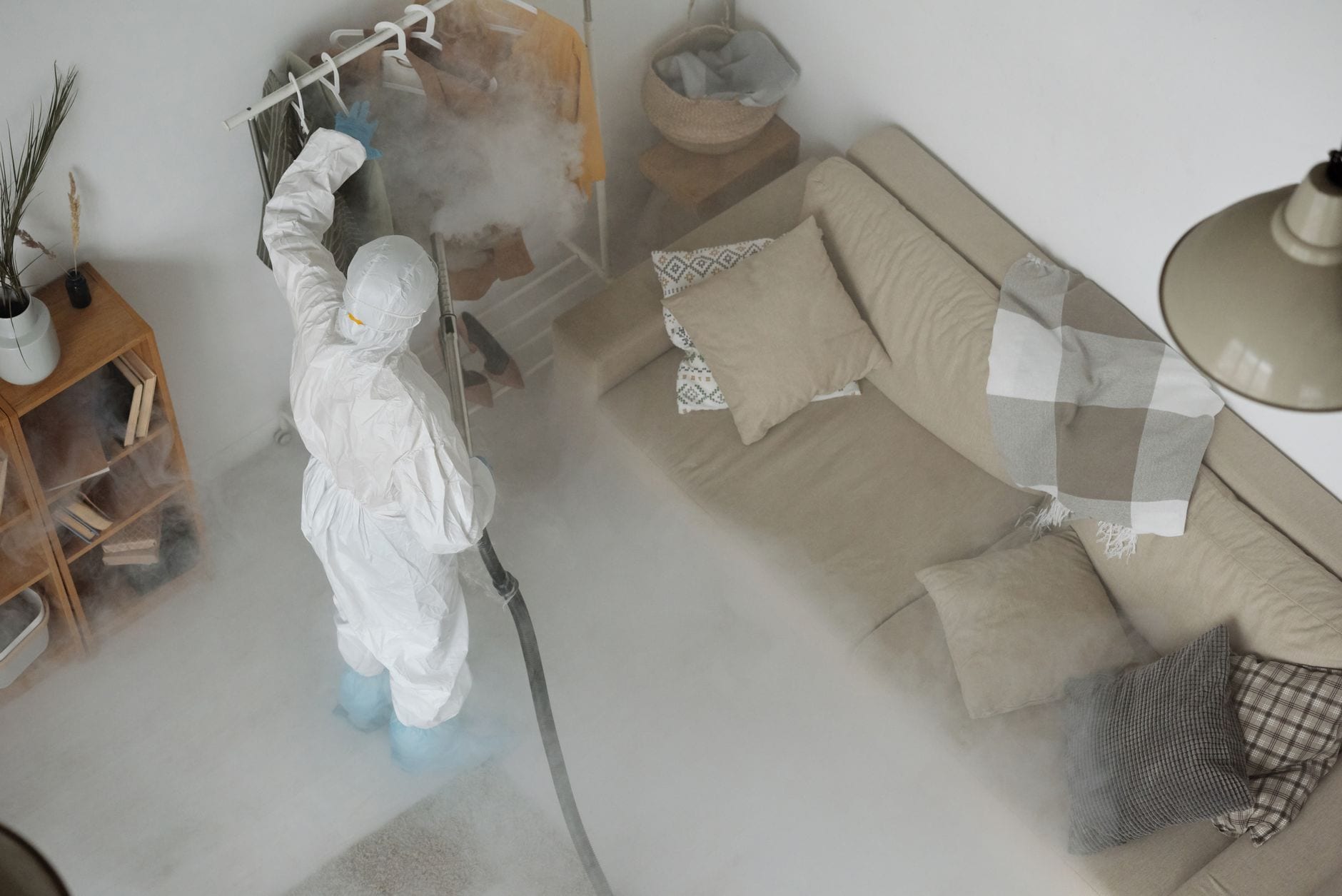
Pest work
Three pest jobs, and which one you actually need
General pest treatment
Ants, cockroaches, spiders, fleas, silverfish, rats and mice. The nest or the harbourage is what gets treated, and the gaps they are using get closed on the same visit.
See general pest controlBedbug treatment
Its own job, never a line on a general spray. An inspection to confirm it, preparation you do first, a hand applied treatment, then a second visit once the eggs have hatched.
See bedbug treatmentEnd of lease treatment
The whole property while it is empty, timed to the day you hand the keys back, with an invoice naming the address and the date for your agent.
See end of lease treatmentsWhat happens from your call to a quiet house
On the phone
What we ask before quoting
What you have seen, where, and at what time of day. A trail along a bench at night and one insect by the back door are different jobs. We also ask about pets, about anyone pregnant, asthmatic or very young in the house, and whether it is a freestanding house, a unit in a block or a shop, because all three change what gets used and when we can be there.
Before we arrive
Clear the benches, not the house
Food and dishes off the benches, pet bowls up, and access to the kitchen kickboards, under the sink, the laundry and the perimeter outside. You do not need to move out or empty the cupboards for a general treatment. If you have already sprayed a supermarket product yourself, say so, because it repels insects away from the bait we are about to put down.
On the day
The nest, not the insect you saw
The visit starts with a look for harbourage and entry: the subfloor, the roof void, the meter box, the weep holes, the kitchen kickboard, the bin store. What goes down depends on the pest. Gel where cockroaches shelter, a bait an ant carries home, a residual band around the outside, traps and proofing for rodents.
The same afternoon
The re-entry window
You are told on the day how long to stay out of the treated areas and what to keep pets off. For most internal work that is a matter of hours. External work you can usually walk past once it has dried.
The first week
What to watch, and what to tell us
Activity climbs before it drops, because a bait only works once it has been carried back. What is worth noting down is where you are still seeing them and at what time of day, since that is what tells us whether a second harbourage was missed. The detailed do and do not list for the week comes with the job on the day.
After that
Whether it needs a second visit
A general treatment is usually the one visit. A heavy cockroach or rodent job, and every bedbug job, is planned as two, because eggs do not die with the adults. If you are still seeing activity once the first week is behind you, tell us what and where.
Who has to agree before we can start
Same pests and much the same products. What changes is access, who has to agree to it, and when we are allowed through the door.
The usual one. Access to the kitchen, laundry, bathrooms and the perimeter outside, plus the subfloor and the roof void where there is one. A freestanding house takes a full external band. A unit does not, so the work moves inside, onto the balcony, and to the kitchen risers and the front door threshold.
What slows it down. A locked side gate, a dog loose in the yard, and a kitchen packed to the ceiling. None of them stop the job. They cost it time, and they are all fixable with a sentence when you book.
Worth knowing. In a unit block, cockroaches travel between flats through the plumbing and electrical risers. Treating your flat while the one above is untreated buys months rather than an end to it, and it is worth asking whether the neighbours have the same problem.
Local conditions
What a Sydney property adds to pest work
Terraces and semis share more than a wall
A party wall, a roof space that runs on past your ceiling, and a side path too narrow for a ladder. The source is often next door and the way in is a gap you cannot reach from your own side.
An apartment stack is one building
Plumbing and electrical risers connect the units, and cockroaches use them as a corridor. A treated unit under an untreated one is a holding pattern rather than a fix.
Strata decides the common areas
Bin rooms, car parks, gardens and risers are common property, so treating them is the committee or the managing agent to approve, with notice to residents and often a lift booking. Inside your own lot is yours to book.
A strip of shops shares a bin room
A food premises is only as clean as the bin area behind it, and in a row of shops that area belongs to everybody. Treating one tenancy while the rest of the row is untreated rarely settles it.
Older houses have a subfloor
Brick piers, bearers and vented brickwork give rodents and spiders a room of their own under the floor. On those houses the subfloor is part of the job, not an extra.
The bushland fringe
Sydney runs into national park in a dozen places. Properties on that edge get a rodent push indoors as autumn cools, and it is predictable enough to plan the proofing around.
What pest work looks like
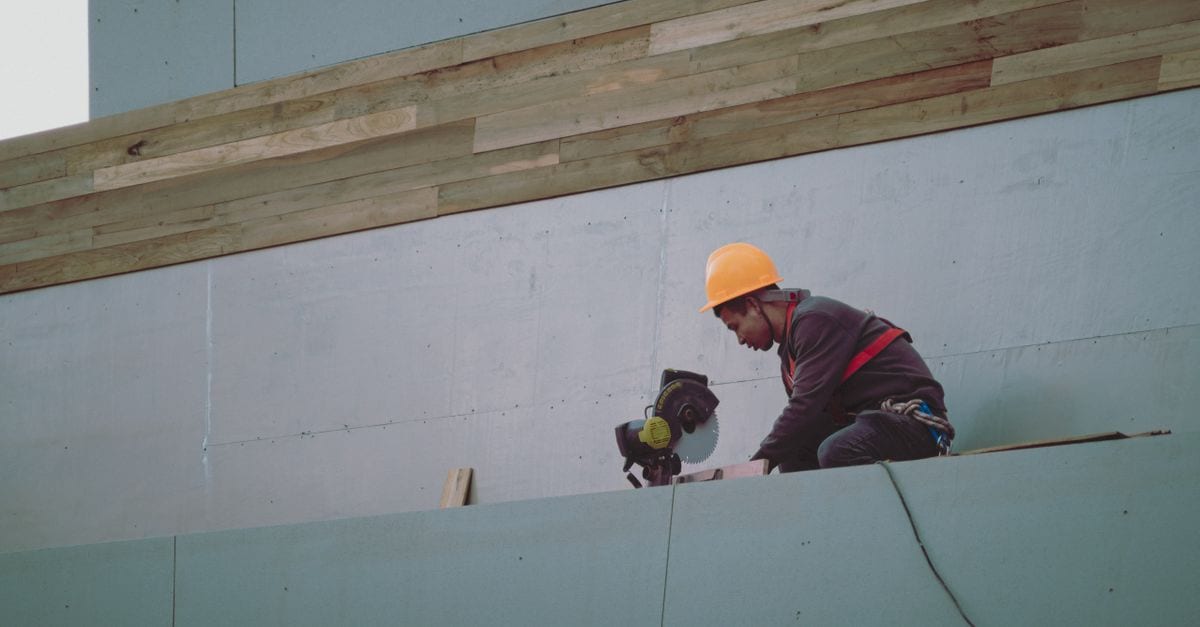
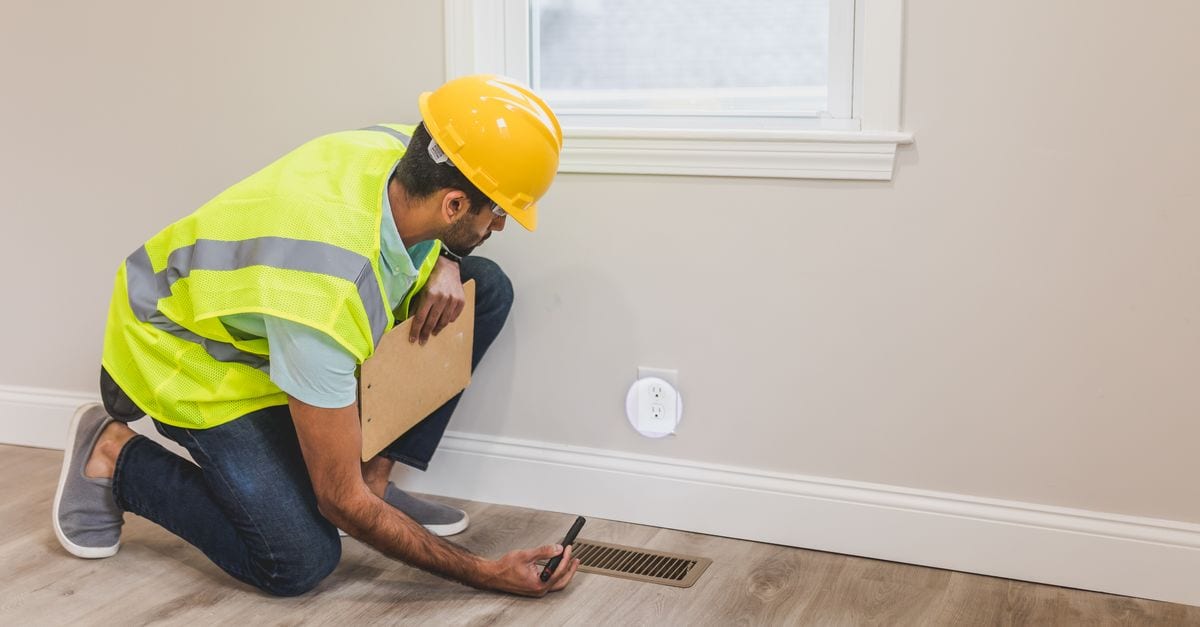

Questions people ask before booking a pest treatment
The ones that come up before the first visit.
Get your pest quote
Tell us what you have seen, which part of the property you have seen it in, and whether it is a house, a unit, a shop or a rental you are handing back. That is enough to quote from.