

Painting services in Sydney
House and commercial painting in Sydney
Our painters cover interior, exterior, wall, driveway and commercial work for homes and businesses across the greater Sydney area.
Get a free quoteLicensed and insured. Same day service.
Painting work
Six painting services, and what each one is for
Interior painting
Walls, ceilings, doors and trims, one room or the whole house. Holes filled and cracks patched before the first coat goes on.
See interior paintingExterior painting
Weatherboard, render, brick and fibre cement, plus fascias, soffits, window frames, decks and fences.
See exterior paintingRepainting
An existing finish brought back. Flaking and chalking dealt with, the old colour sealed, then recoated.
See repaintingWall painting
A wall surface on its own. Nail holes filled, cracks patched, uneven areas sanded and primed, then low VOC paint.
See wall paintingCommercial painting
Offices, retail, warehouses and industrial sites, with anti graffiti and durable floor coatings where the site needs them.
See commercial paintingDriveway painting
A coating for concrete or asphalt that takes UV, oil and tyre marks, instead of replacing the slab.
See driveway paintingPreparation is most of a paint job
Before anything
Wash the surface
Paint sticks to a clean surface and to nothing else. Outside that means lifting dirt, chalk, mould and salt, then letting it dry right through. Inside, kitchens and bathrooms get a sugar soap wash, because cooking grease and soap film reject a topcoat.
Then
Sand back and feather the edges
Gloss and enamel are sanded so the new coat has something to key into. Where old paint has flaked, the broken edge is sanded until you cannot feel the step with your hand.
Next
Fill and patch
Nail holes, dents, cracks and chipped corners are filled, left to dry, then sanded flush. Wider cracks are cut open first so the filler has something to hold instead of sitting in a hairline.
Then
Caulk the gaps
The joins between skirting, architrave and wall take a bead of flexible sealant. It is the difference between a room that looks painted and a room that looks finished.
Before any colour
Seal and prime
Bare plaster, fresh filler, raw timber and any water stain get a sealer or a primer. Without it the porous patches drink the topcoat and dry to a different sheen, so the wall ends up patchy in raking light.
First coat
Cut in, then roll
Edges, corners and trim lines are cut in with a brush, then the field is rolled into the wet edge so the two blend. Cutting in is slow, and it is the part you see from the doorway.
Inside and outside are two different jobs
Same trade, different products, different preparation and a different kind of week.
| Feature | InteriorRooms, ceilings and trim | ExteriorEverything the weather touches |
|---|---|---|
| Surfaces | Plasterboard, cornice, timber trim and doors | Render, brick, weatherboard, fibre cement and fascia |
| Preparation | Sugar soap, fill, sand, caulk, spot prime | Wash, scrape, treat mould, sand, prime the bare areas |
| Usual paint | Low sheen acrylic on walls, enamel on trim | Exterior grade acrylic over a masonry or timber primer |
| What sets the timing | When the rooms can be cleared | The weather window, the temperature and the humidity |
| Access | Furniture to the middle, floors covered, doors off where needed | Ladders, planks or scaffold, and clear ground to stand on |
| What ruins it | Painting over filler that was never sealed | Painting a damp wall, or painting in full afternoon sun |
Coats and coverage
2
coats over a sealed undercoat
One coat over a strong colour does not cover it, it tints it. A deep red or a navy reads as a pink or a grey haze through a single coat of white, and it keeps reading that way in raking light. The undercoat blocks the old colour, and the two topcoats build the even film that gives a finish its depth.
Which finish belongs where
The default for interior walls. It throws back little light, so it hides the small waves and patched spots every plastered wall has, and it takes a wipe without polishing up a shiny patch. A ceiling usually goes flatter again, because it shows every roller mark a sheen would catch.
Work that sits either side of a paint job
Three jobs booked with painting more often than not, each one its own trade.

Before the exterior coat
The wash comes first
- Lifts chalk, mould, salt and grime
- Shows up the timber and render that needs repair
- Needs drying time before priming

Instead of a coating
Sealing, where the concrete is worth keeping
- Keeps water, oil and stains out of the slab
- Deepens the existing colour rather than covering it
- Suits driveways, patios, paths and floors
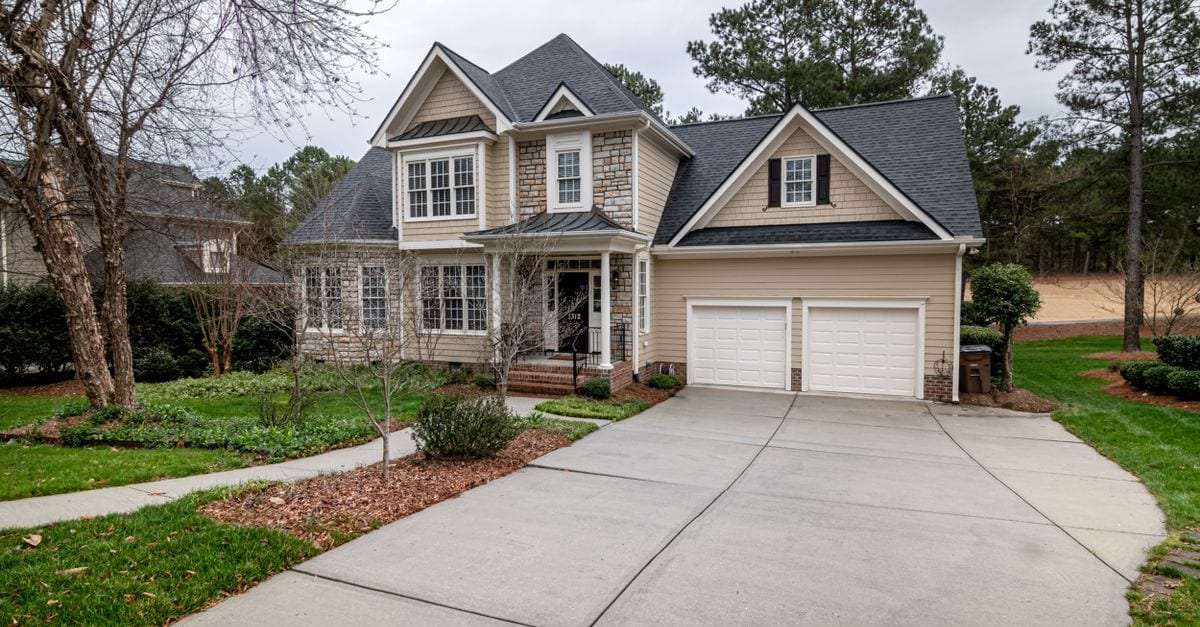
Where the ground falls away
Grip on a sloped drive
- Texture worked into the coat, not a mat laid on top
- For sloped drives, pool surrounds and entrances
- Goes over new or existing concrete
How your painting project gets done
Request a quote
Send us the job details through the quote form and our team will review the scope and come back to you.
Surface preparation
Every surface is cleaned, sanded and primed before a single drop of paint is applied, so the finish bonds properly and lasts.
Paint application
Our painters lay down clean, even coats on walls, trims, ceilings or driveways, using paint suited to the surface.
Final inspection
Once the job is finished we walk through the work with you, so every edge, corner and surface is checked before we pack up.
Local conditions
What a Sydney property adds to the job
Salt air closer to the coast
Salt settles on render and timber and works its way under a coating. Those exteriors want a thorough wash and an exterior grade acrylic that stays flexible.
Summer heat and humidity
Paint that dries too fast in direct sun leaves lap marks and a weak film, so the work follows the shade around the house and the western wall waits for the afternoon.
The weather window
An exterior coat needs a dry surface and a dry night after it. A wet week moves an exterior job, and there is no way around that which does not cost you the finish.
Terraces and semis
A shared wall, a narrow side path and no room to swing a ladder change how the job is staged. Access gets worked out before the quote, not on the morning.
Strata blocks
Common property, an agreed colour scheme and access to balconies usually need the committee to sign off, and the lift or loading bay has to be booked.
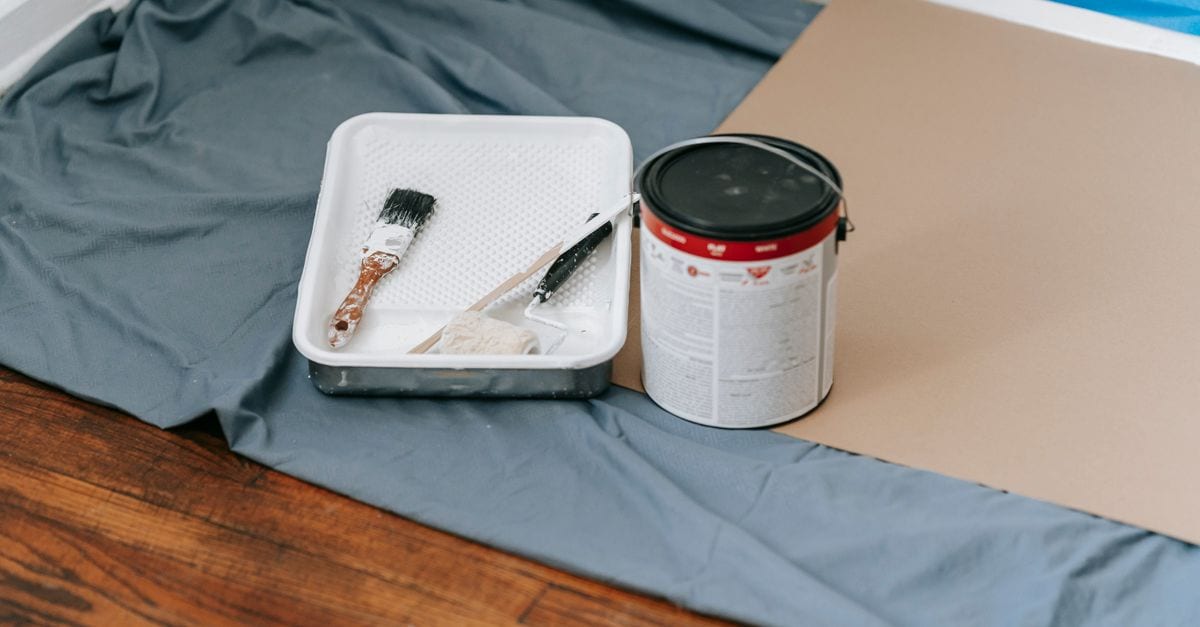
What painting work looks like

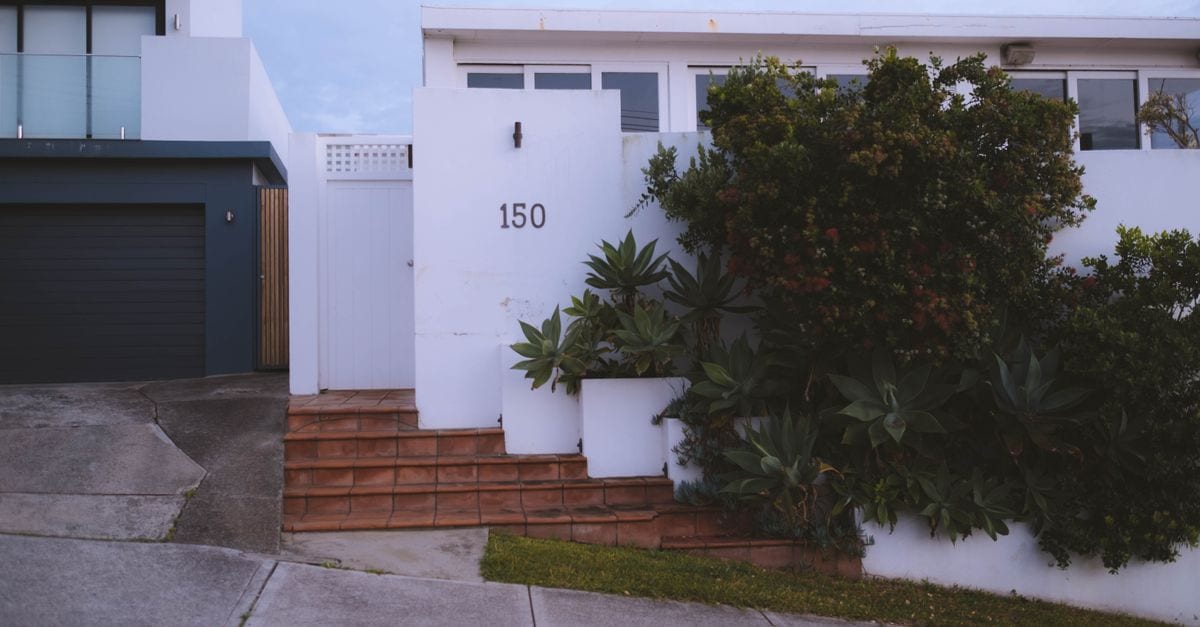

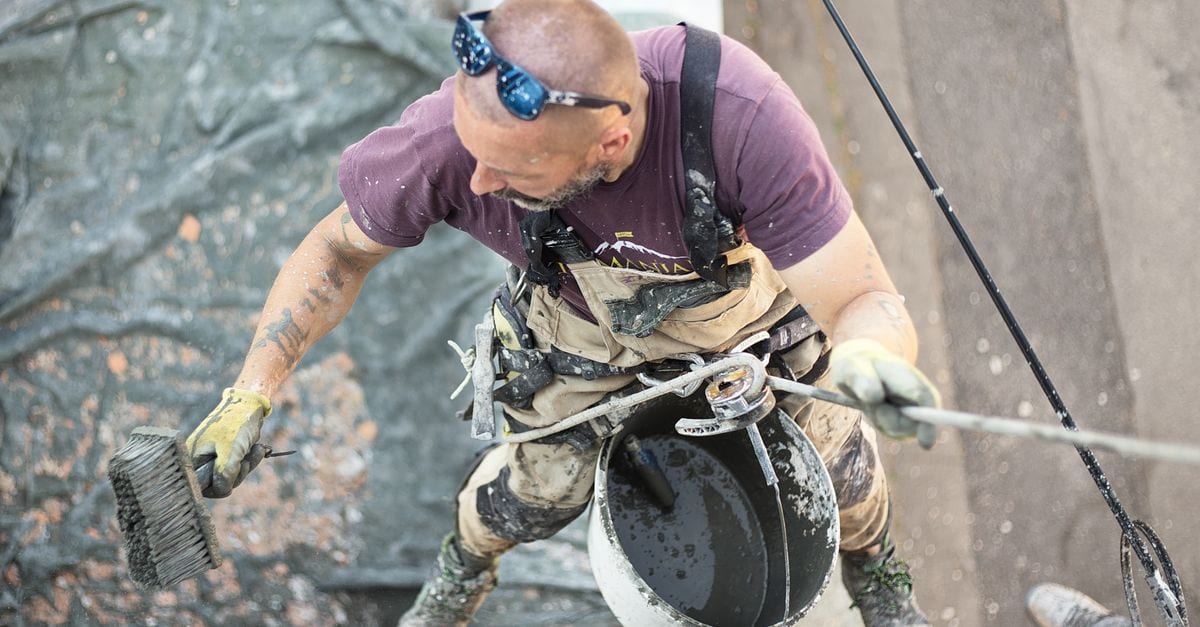
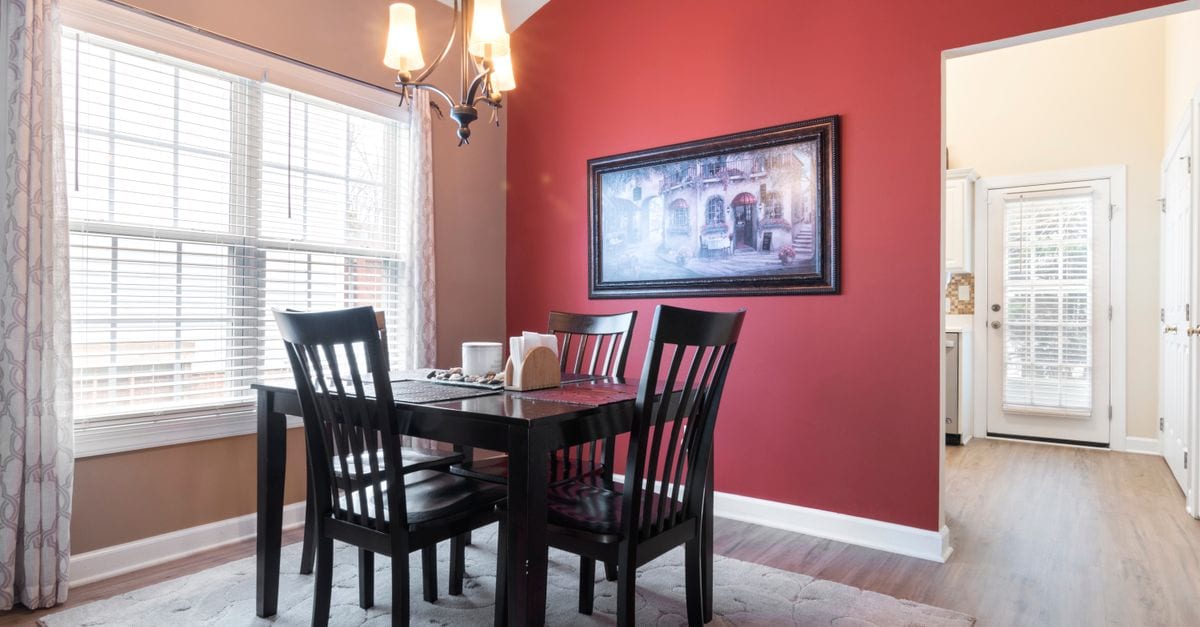
Questions people ask before booking a painter
Get your paint quote today
Tell us what needs painting and our team will come back to you with a quote.
Get a free quote