
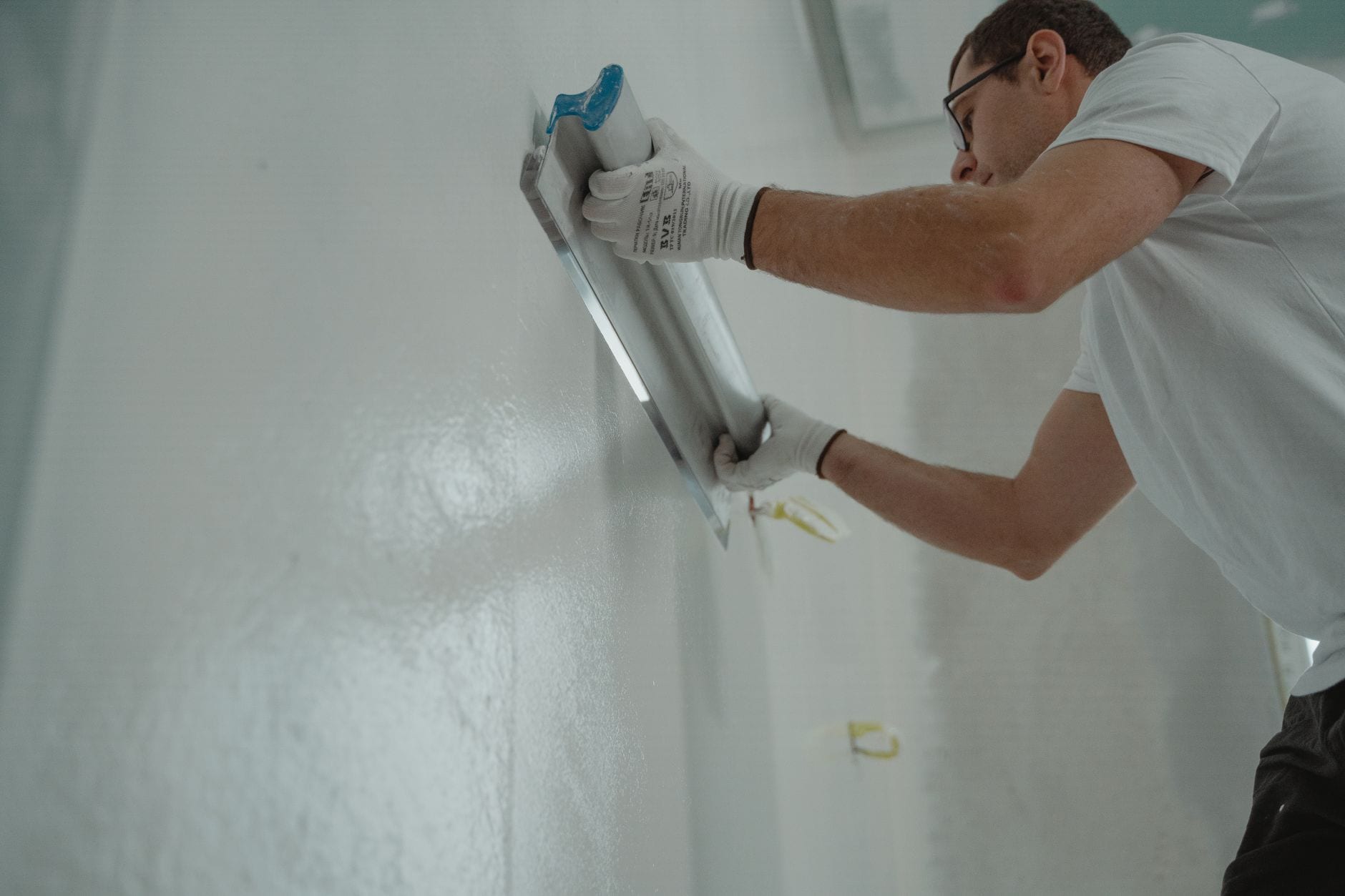
Repainting in Sydney
Repainting homes and businesses in Sydney
A repaint is decided by what is already on the wall. The old coat gets read before anything is bought: what it is, whether it is still holding on, and what has to come off before the new colour goes anywhere near it.
Get a free quoteLicensed and insured. Same day service.
Repainting work
Six repaints, and what each one turns on
Interior repaints
Walls, ceilings, doors, skirting and architraves in a house that has been lived in. Most of the work is in the filling and the sanding, not in the colour.
See interior paintingExterior repaints
Weatherboard, render, brick and fibre cement already carrying several coats. What the old film is doing decides whether it is a wash and recoat or a strip.
See exterior paintingOne wall, brought back
Worth doing when the rest of the room is sound and the damage is in one place. The catch is the join: a new coat against an old one shows unless the wall breaks at a corner.
See wall paintingCommercial repaints
Offices, retail and strata common property on a repaint cycle, staged so the building keeps trading and made good before the doors open.
See commercial paintingDoors, frames and trim
Most Sydney homes older than the nineties have oil based enamel on the trim, and that single fact changes what is allowed to go over it.
See doors and windowsThe wash that comes first
An exterior repaint starts by lifting chalk, mould, dirt and salt off the old coat. Paint over any of that and the new film is bonded to the grime, not the wall.
See pressure cleaningReading what is already on the wall
First
Work out what the old coat is
A rub with methylated spirits on a hidden corner answers most of it. A water based acrylic softens and colours the rag. An oil based enamel does not move. It matters because a water based topcoat put straight over unsanded enamel peels off in a sheet, and most Sydney trim older than the nineties is enamel.
Then
Find out whether it is still holding on
Two old tests, both done small and out of the way. Press tape down hard over a cross hatched patch and pull it: whatever comes up on the tape is what would have come up under your new coat. Outside, wipe a dark cloth across the wall. If it comes back white, the old acrylic has broken down to powder, and a new coat over powder has nothing to hold.
Before any sanding
How old is the house
Lead was in Australian house paint until 1970 and was not cut to today's limit until 1997, so the lower layers of anything older are a fair bet to contain it. That does not stop a repaint. It changes how it is done: wet sanding rather than dry power sanding, sheeting laid to catch the debris, and the waste taken away rather than swept into the garden bed.
Next
Take off what is failing, keep what is sound
There is no reason to strip a wall that is stuck down. The flaking areas come back to a sound edge and that edge is feathered until you cannot feel the step with your hand. A ridge you can feel is a ridge you will see, every afternoon, as soon as the light comes across the wall at an angle.
Before the colour
Seal what would otherwise come back through
Water marks, soot, nicotine, crayon and the tannin out of cedar and other oily timbers all bleed through a water based topcoat, and they keep coming through however many coats go on top. They get a stain blocking sealer. A chalky exterior gets a binding primer, so the new coat is gripping the wall and not the powder.
Then the colour
An undercoat tinted towards the new colour
Going dark over light, or light over something strong, the number of topcoats is decided by the undercoat rather than by the paint. An undercoat tinted towards the new colour gets you there in two. An untinted white one under a deep colour can take four, and that difference turns up in the price before it turns up on the wall.
Three repaints, decided by what is under them
A repaint is not one job. Which of these three you have is settled in the first ten minutes on site, and it is what the quote actually turns on.
The common case, and the cheapest one. The existing coat is water based, it is not chalking, and tape lifts nothing off it. There is nothing wrong with the film at all. It is tired, or it is the wrong colour.
What it takes. A wash, a light sand to knock the sheen back and give the new coat a key, filling and caulking, spot priming over every bare patch, then two coats. Inside, kitchens, bathrooms and laundries get sugar soap first, because cooking grease and soap film reject a topcoat even when the paint under them is perfect.
What to watch. Every filled patch has to be sealed. Bare filler drinks the topcoat and dries to a different sheen, and that patch stays visible in raking light for the life of the wall no matter how good the colour is.
Local conditions
What a Sydney house puts under the new coat
Anything painted before 1970
Lead was in Australian house paint until 1970 and was not cut to today's limit until 1997. It does not stop a repaint. It means wet sanding instead of dry power sanding, sheeting down to catch the debris, and taking the waste away rather than leaving it in the garden.
Chalking on the coastal side
From the eastern beaches to the northern beaches, UV and salt break an exterior acrylic down to powder faster than the same wall inland. Wipe a dark cloth across it. If it comes back white, that wall needs a binding primer before anything else happens.
Enamel on the trim
Skirting, architraves and doors in most Sydney homes older than the nineties are oil based enamel. Sanded first, it takes a new coat happily. Not sanded, an acrylic over it peels off in strips at the first knock.
Painted render from the sixties and seventies
Cement render needs to breathe. Where an earlier owner sealed it with something impermeable, moisture gets trapped behind and pushes the coat off in patches. The patches moving around the wall over the years is the giveaway.
Weatherboard, many coats deep
A Federation or inter war weatherboard can be carrying eight decades of paint. It lets go at the profile edges and the board ends first, because that is where the film is thinnest and where the timber moves most.
Stains that come back through
Water marks, soot, nicotine and the tannin out of cedar and other oily timbers bleed through a water based topcoat and keep coming through however many coats go on. They need a stain blocking sealer, not another coat.
Questions people ask before a repaint
The ones that come up once there is already paint on the wall.
Get your repainting quote
Tell us what is being repainted, roughly how old the last coat is, and whether anything is flaking, powdery or glossy. Those three answers get you a quote that does not move later.