
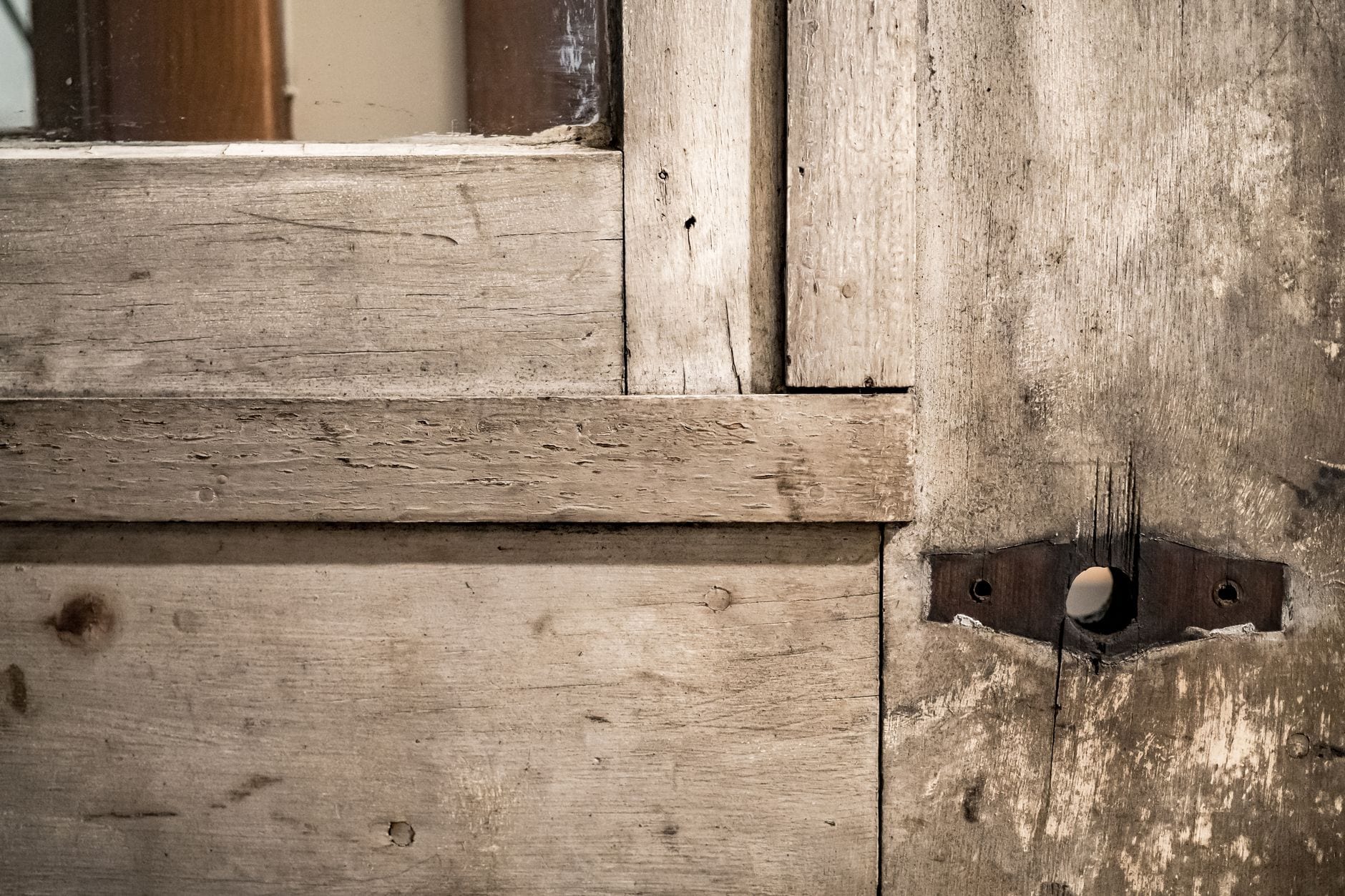
Doors and windows, Sydney
Doors and windows replaced across Sydney
Internal doors, entry doors and windows taken out and replaced for homes and business premises across greater Sydney. The opening is squared and sealed and the reveal made good, so the new unit closes properly and stays weathertight.
Get a free quoteLicensed and insured. Same day service.
Doors and windows
What the work covers, opening by opening
Internal doors
Hung to the frame that is there, with an even gap all the way round and the latch meeting the strike. An old frame is rarely square, so the door is trimmed to the opening rather than the opening forced straight.
Entry and external doors
A weather seal on all four sides, a threshold that sheds water outward, and the lock and hardware fitted and adjusted before we leave.
Windows
Old units out, new ones packed plumb and square, flashed at the head and sealed at the sill so water runs out of the opening rather than into the wall.
Sliding and stacker doors
Big glass that only runs sweetly if the track is dead level. The track is set and packed first, then the panels are hung and the rollers wound to suit.
A new or wider opening
Putting a door or window where there was not one is framing before it is glazing: a lintel across the opening and studs under each end to carry what the wall was carrying.
See framingMaking good around it
The reveal, the architrave and the render or lining around a new unit finished off, so the wall does not advertise that something was swapped.
See skirting and architravesHow a door or a window gets changed over
Before anything is ordered
Measure the opening, not the old unit
Width and height are taken in three places each and the diagonals are checked. Openings move as a house settles: heads drop, sills sag, and a hundred year old terrace has nothing square left in it. The smallest of those measurements is the one the new unit has to fit through.
While it is being made
Order first, book the day second
Stock sizes are quick. Anything made to measure, a particular glass or a profile matched to the rest of the house carries a lead time, and the opening does not get touched until the new unit is standing on site. An open hole and a wet night do not mix.
On the day
Out carefully rather than quickly
The old frame is cut and eased out instead of levered, because every bit of render, lining and brickwork around it has to be made good afterwards. Anything carrying load over the opening gets propped before the frame moves.
The part nobody sees
Check the sill and the jambs
A new unit is only as good as what it is fixed to. With the old one out, the sill, the jambs and the bottoms of the studs get checked for rot, water damage and termite work. Screwing a new window to soft timber buys you a return visit.
Fitting
Packed plumb in an opening that is not
The unit is packed at each fixing point so it sits plumb, level and square inside an opening that is none of those things, and it is fixed through the packers. A frame dragged tight to a crooked opening binds, and the door or the sash never closes the same way twice.
Keeping the weather out
Flashed at the head, sealed at the perimeter
Water is shed clear at the head, the sill drains outward, and the perimeter takes a flexible sealant that can move with the frame through a hot week and a cold one. Expanding foam on its own is a gap filler, not a weather seal.
Last
Hardware on, then made good
Locks, handles and closers fitted and adjusted so the door latches without a shove. Then the reveal, the architrave and the render are made good and the joint caulked, ready for paint.
An internal door, an entry door and a window
All three are a unit fitted into an opening. What separates them is the weather, the security and the glass.
Bedroom, bathroom, laundry and cupboard doors, usually hung into the frame that is already in the wall.
What to check first. Whether the frame is square and the floor is level. In most older houses it is neither, so the door is trimmed to the opening and the hinges are set to suit it, rather than the frame being forced straight.
Worth knowing. The floor covering decides the gap at the bottom. A door hung before carpet or a timber floor goes down will either drag on it or leave a draught under it, so the floor finish gets settled first.
Where it goes wrong. Hanging a door to a twisted frame. It touches at the top and stands off at the bottom, and no amount of hinge adjustment fixes a frame that needed packing.
Local conditions
What a Sydney property adds to the opening
Salt air near the water
Hinges, locks, rollers and screws pit and seize far sooner within sight of the sea. Close to the coast the hardware and the fixings decide how long the job lasts more than the door does.
Humidity and a timber door
A timber door that closes sweetly in July will bind in a humid February. The gaps are set with that movement allowed for, and the top and bottom edges get sealed, because that is where a door drinks.
Openings that are not square
Heads drop and sills sag in an old terrace or semi, so a stock size rarely drops straight in. The opening is measured in three places, and the answer is either made to measure or packed and made good.
Conservation areas
A good deal of inner Sydney sits in a conservation area, where what a street facing window or front door looks like is controlled. Like for like is usually fine, a different style often is not, and that is worth checking before anything is ordered.
Strata buildings
Windows and entry doors on a block of units are commonly common property even though they are on your lot. The owners corporation approves the change, there may be a scheme style to match, and the lift and loading dock get booked.
Afternoon sun on the west
West facing glass turns a room into an oven from the middle of the afternoon through a Sydney summer. If the unit is being replaced anyway, that is the cheap moment to do something about the glazing.
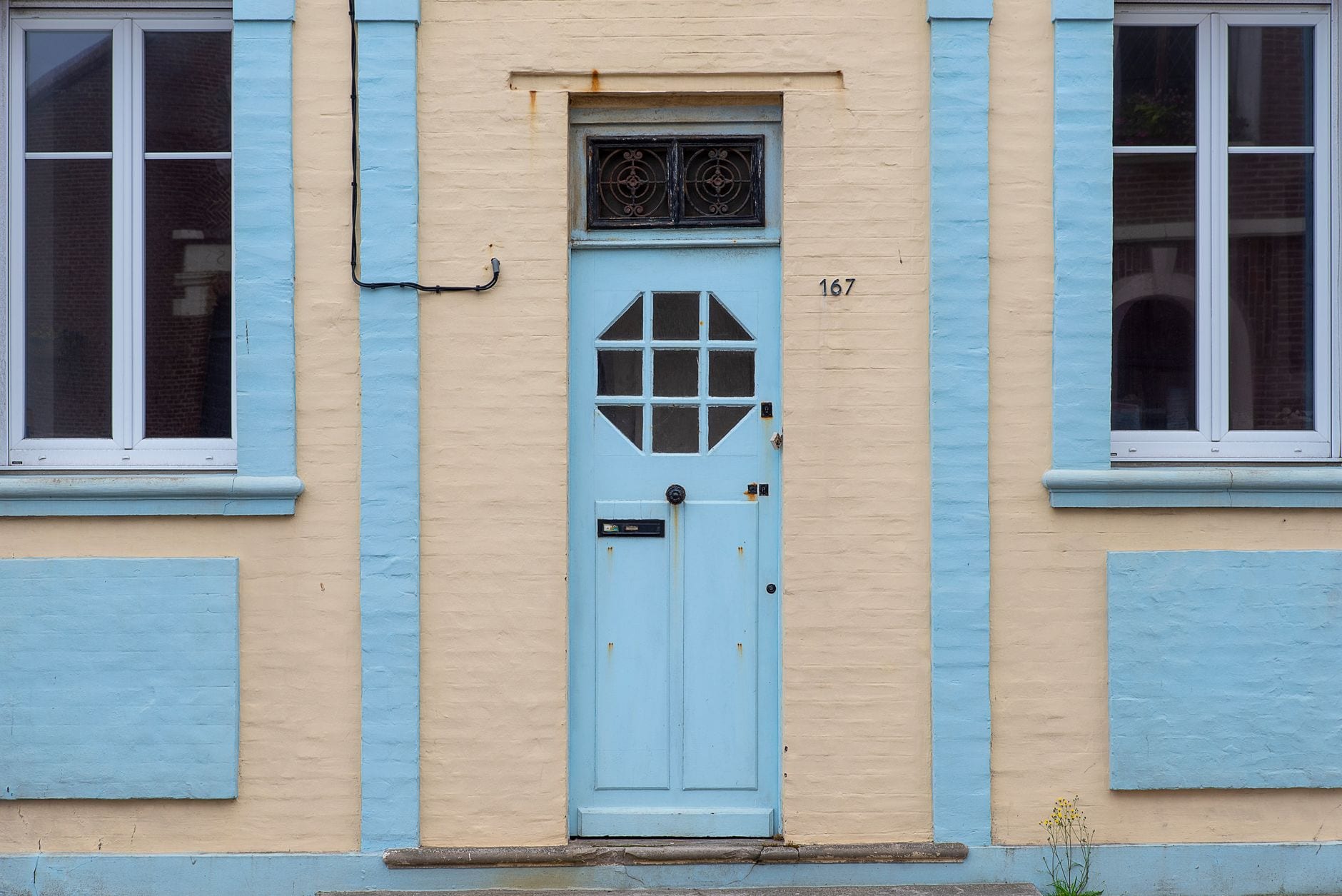
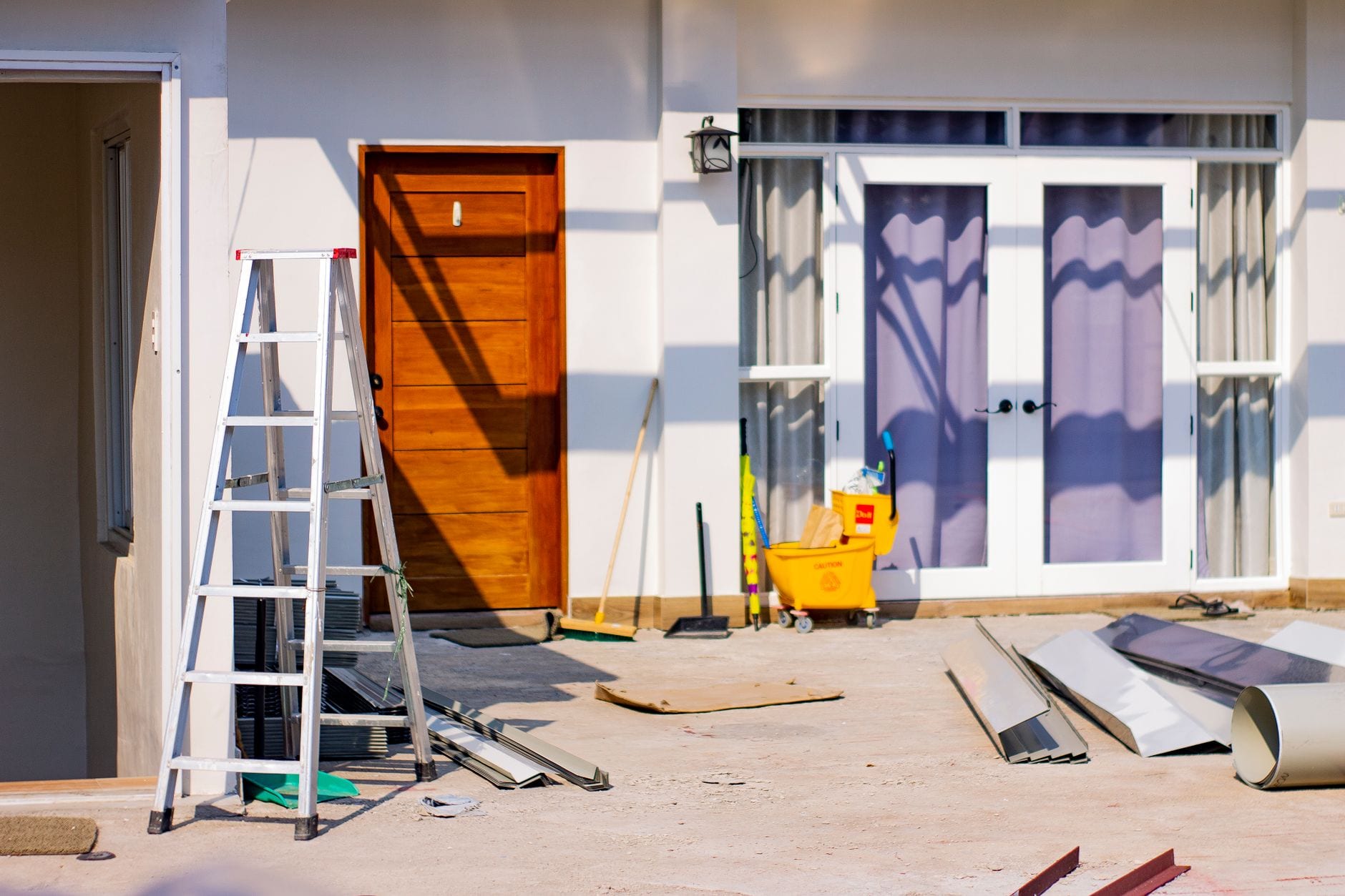
What a finished opening looks like


What happens around the opening
Three other trades meet at a door or a window, and it is cheaper when they meet on the same visit.
Straight after the unit is in
Making good is most of what you notice
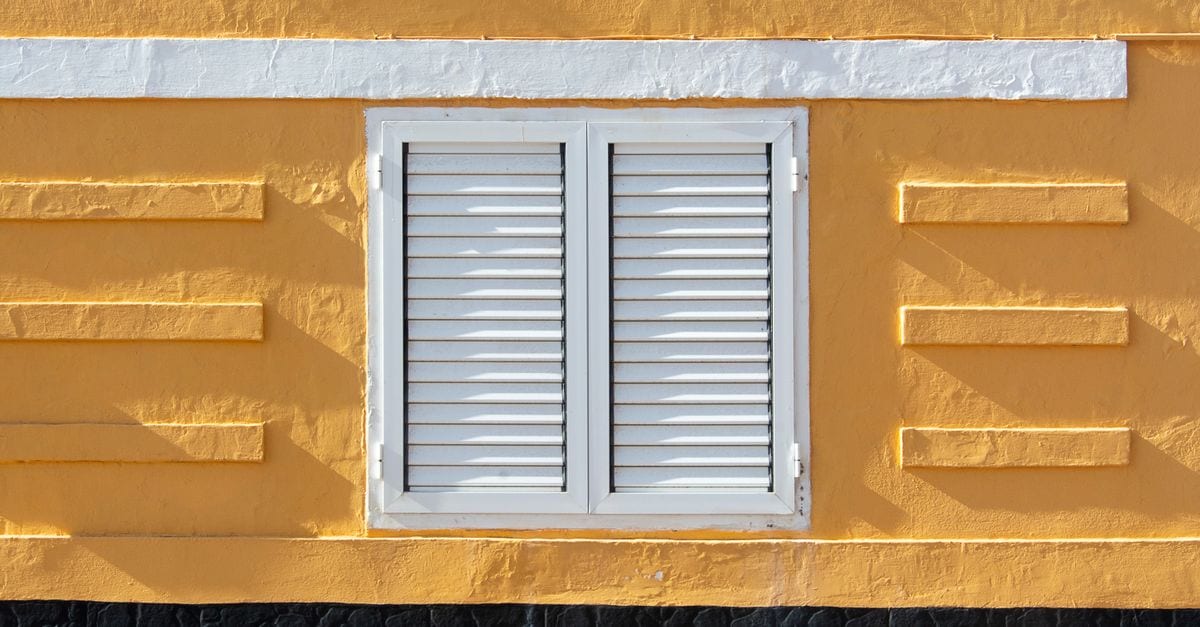
Almost everything you notice about a replaced door or window is the hand's width of wall around it. A new unit sitting in a rough opening looks like a swap. The same unit with the reveal squared, the architrave refitted, the render patched and the joint caulked looks like it was always there. That work is quoted with the job rather than found at the end of it.
- Reveal and architrave refitted or replaced
- Render, lining and sill patched where the old frame came out
- Joints caulked so paint has something to sit on
Questions people ask before changing a door or a window
The ones that come up before the old unit comes out.
Get a quote for your doors and windows
Tell us how many doors or windows, whether they are internal or face the weather, and the rough size of each opening. A photo of each one taken from a step back is worth more than a paragraph.