
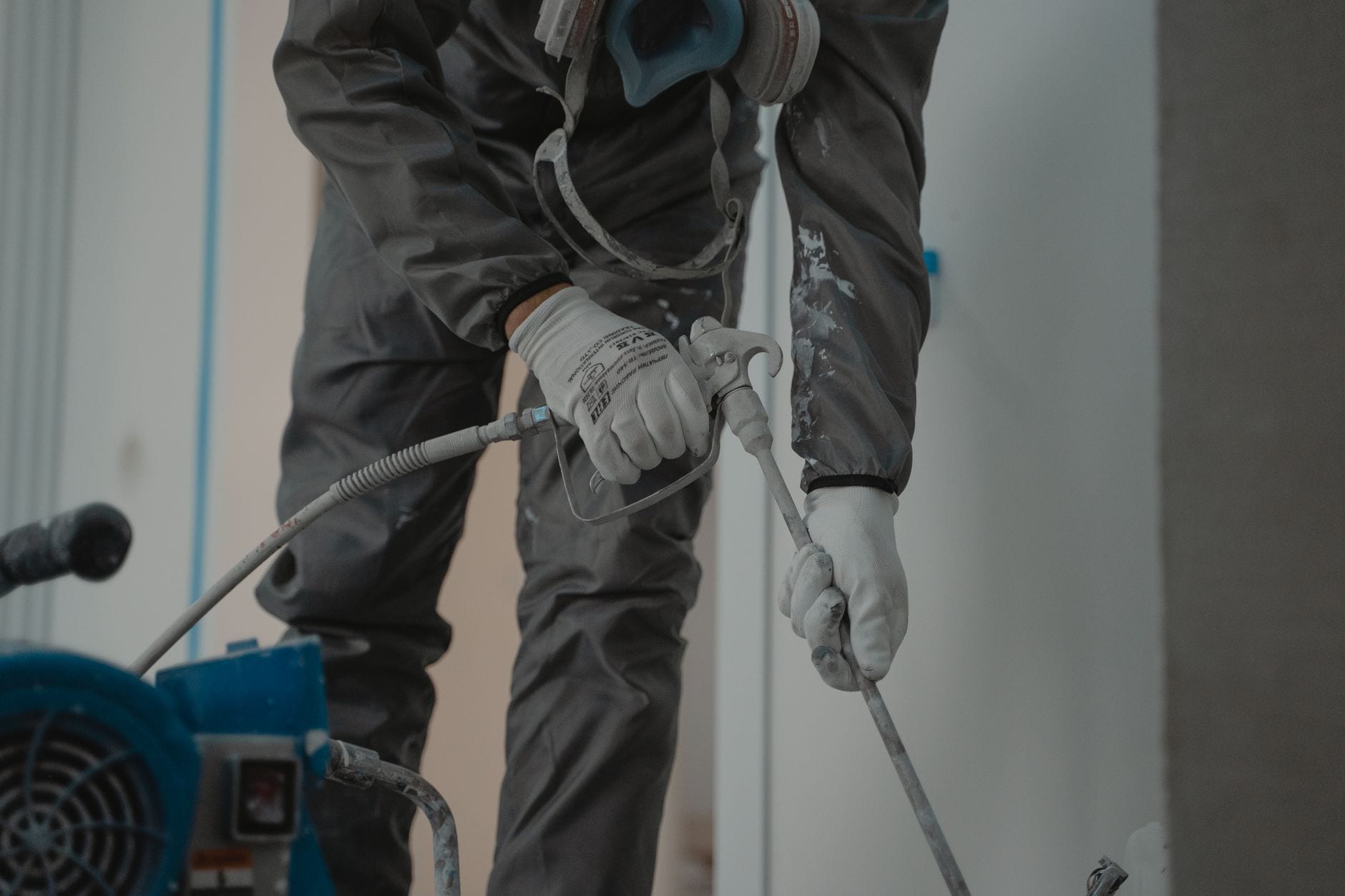
Driveway painting in Sydney
Driveway painting in Sydney, done as a concrete job
Painting a driveway is a concrete coating job, not a wall painted flat. What decides whether it lasts is everything that happens before the colour: getting the oil out, opening the closed surface up, and finding out whether the slab is pushing moisture back at you.
Get a free quoteLicensed and insured. Same day service.
Concrete work
Six ways a driveway gets dealt with, and which one you need
Sealing, not coating
If the slab is sound and already a colour you are happy with, it does not need paint. A sealer soaks in, keeps water, oil and stains out, and deepens the colour that is there.
See concrete sealingA non slip finish
Sydney blocks fall away. A smooth coating on a steep drive is slippery the moment it rains, so the texture goes into the coat itself rather than on top of it.
See slip-resistant finishWhen it needs a new slab
Cracks right through, sections sunk against each other, edges crumbling away. A coating hides that for one season. At that point it is a new driveway, not paint.
See concrete drivewaysThe clean comes first
Degreasing and a high pressure wash happen before any coating. On some drives the wash turns out to be the whole job and the coating can wait a few years.
See pressure cleaningPaths, patios and pool surrounds
The same coating goes on a path, a patio or a pool surround. What changes is the grip, because bare feet on wet concrete are a different problem from tyres.
See slabs and footpathsThe rest of the front
A drive is usually being done because the whole front of the house is being done. The walls, the fascias and the garage door are the other half of that decision.
See exterior paintingWhat has to happen before any colour goes on
First question
How old is the slab
Fresh concrete is not ready for a coating. It has to cure and it has to dry, and those are two different things. A slab reaches its working strength at around twenty eight days, but it is still giving off water well after that, and a coating put on too early gets lifted from underneath by the water trying to leave.
Then
Get the oil out, not just off
Engine oil, gearbox fluid and brake fluid soak into concrete rather than sitting on it. A detergent and a pressure wash take off what is on the surface and leave everything that has gone in, and nothing at all sticks to an oil contaminated patch. It takes an emulsifying degreaser, worked in and rinsed, sometimes more than once, and that patch gets checked again before anything else happens.
The step people skip
Open the surface up
A driveway that was trowelled or power floated is closed and glassy. It feels smooth because it is smooth, right down into the pores, and a coating laid on it is sitting on glass. It has to be opened first, with an acid etch or a mechanical grind, until water sprinkled on it soaks straight in instead of beading. That test takes ten seconds and it is the single best predictor of whether the job lasts.
Before you commit
Find out if the slab is wet underneath
A slab poured on the ground without a vapour barrier pulls moisture up out of the soil, and that moisture pushes a coating off from below however good the surface preparation was. The old test still works: tape a square of clear plastic down tight, leave it overnight, and look in the morning. Condensation under the plastic, or a dark patch on the concrete, is your answer.
Repairs
Cracks get filled, joints stay joints
A crack is cut open so the filler has something to hold, rather than smeared into a hairline where it will pop straight back out. Control joints are the opposite: they exist because the slab is going to move, and filling one rigid and coating over it only moves the crack somewhere less convenient. They are left as joints and finished as joints.
Then, and only then
Prime, coat, and leave it alone
Primer, then the coats, then the part almost everybody gets wrong. Foot traffic comes back long before vehicles do, and the number that matters is the product's cure time rather than how dry it feels underfoot. A car driven on too early prints its tyres into the finish, and turning the wheel while the car is standing still will twist the coating off in a scuff.
Concrete, asphalt, or something already on it
Three surfaces turn up under a driveway coating, and they want three different jobs. Using the concrete method on asphalt is the most common way one of these fails.
The usual case, and the one the whole sequence above is written for. A poured slab, most likely trowelled or power floated, possibly already sealed by somebody years ago, and very likely with oil in it somewhere near the garage door.
What it needs. Degreasing, then opening the surface with an acid etch or a grind, then a moisture check before anything is committed to it. A primer made for concrete, then the coats.
The quick test. Sprinkle water on it. If it beads or just sits there, the surface is still closed and a coating put on now will come off in sheets. If it soaks straight in, it is ready. Try it in a few spots, because the shaded end and the sunny end often answer differently.
Local conditions
What a Sydney driveway adds to the job
A dark slab in January is far hotter than the air
Concrete in full Sydney sun runs well above the air temperature, and a coating put onto a hot slab flashes off before it has properly wet the surface. The work follows the shade across the drive, and the sun side waits its turn.
It is usually the only way in
One drive, one car, bin night, and a coating that cannot be driven on for days. On most blocks it gets staged in halves so there is somewhere to park the whole time. That is agreed before the first pass, not discovered on the morning.
The wash water cannot go down the grate
In New South Wales it is an offence to let wash water carrying oil, detergent or sediment into a stormwater drain, and stormwater here reaches the creek and then the harbour untreated. Run off from a degrease has to be contained and disposed of, which is part of the job and part of the price.
Reactive clay under a lot of Sydney
Shale and clay soils swell through a wet winter and shrink back over a dry summer, and the slab on top moves with them. It is why the control joints are there, and why a coating bridged across one cracks along the joint within a year.
Salt on a drive near the water
Closer to the coast, salt settles on the slab and works its way in with every damp night. It has to be washed off properly before any coating, and a sealed or coated drive near the water wants looking at sooner than the same one inland.
A slope, and what that does wet
Sydney blocks fall away, and a smooth coating on a steep drive is slippery the moment it rains. A slip resistant finish carries the texture in the coat itself so it keeps its grip wet. Worth deciding before the colour rather than after.
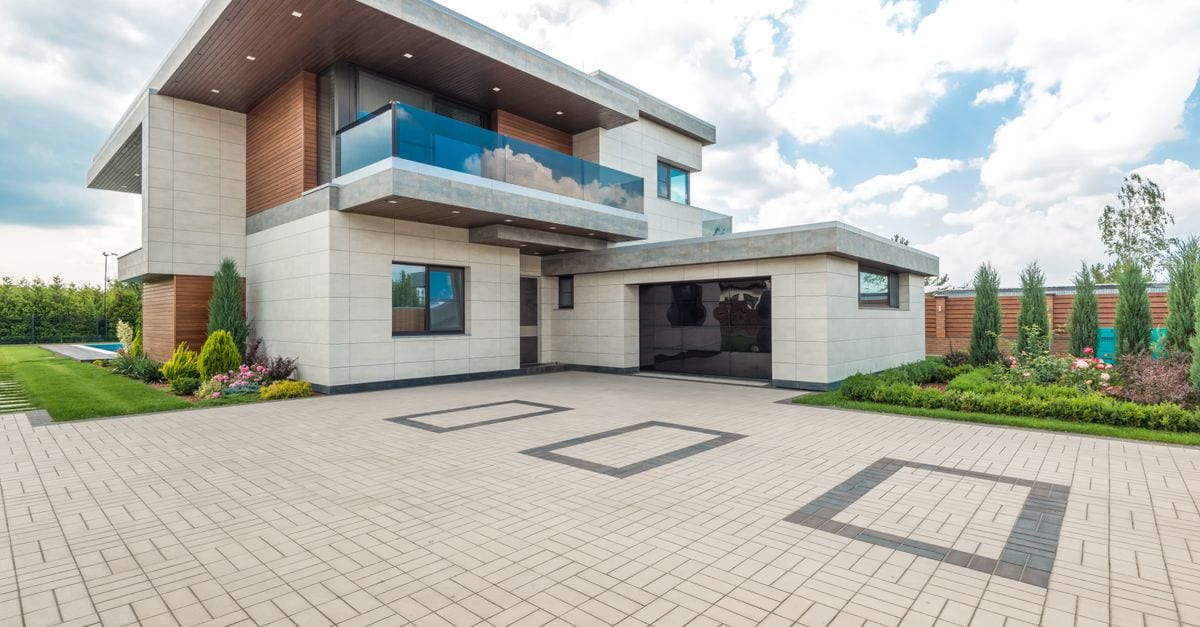
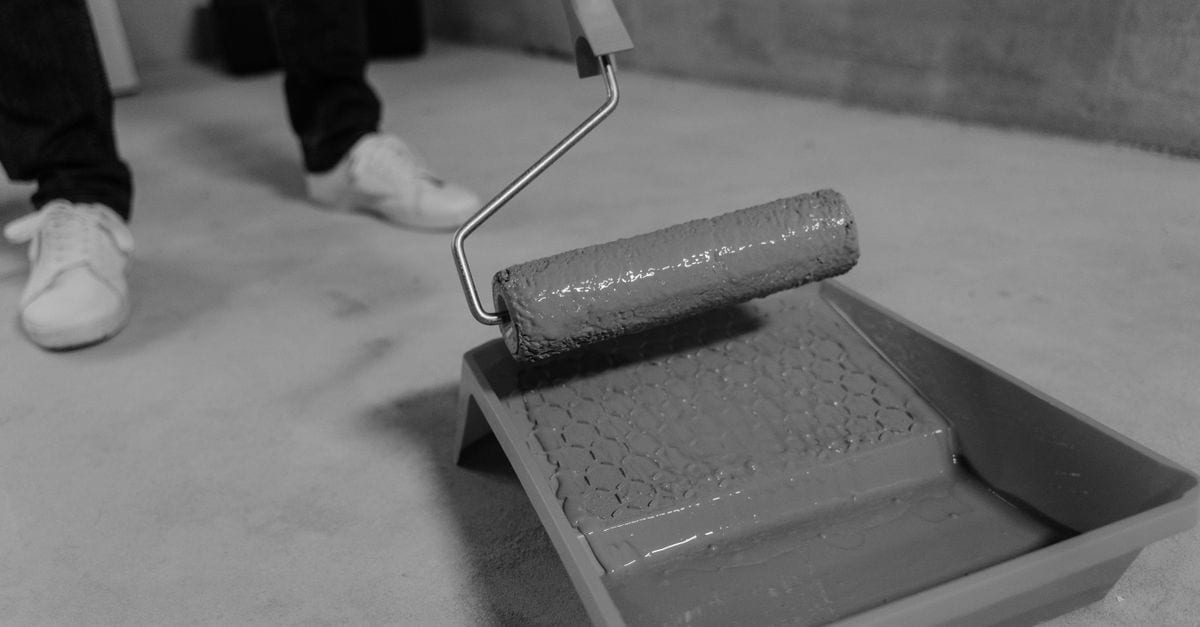
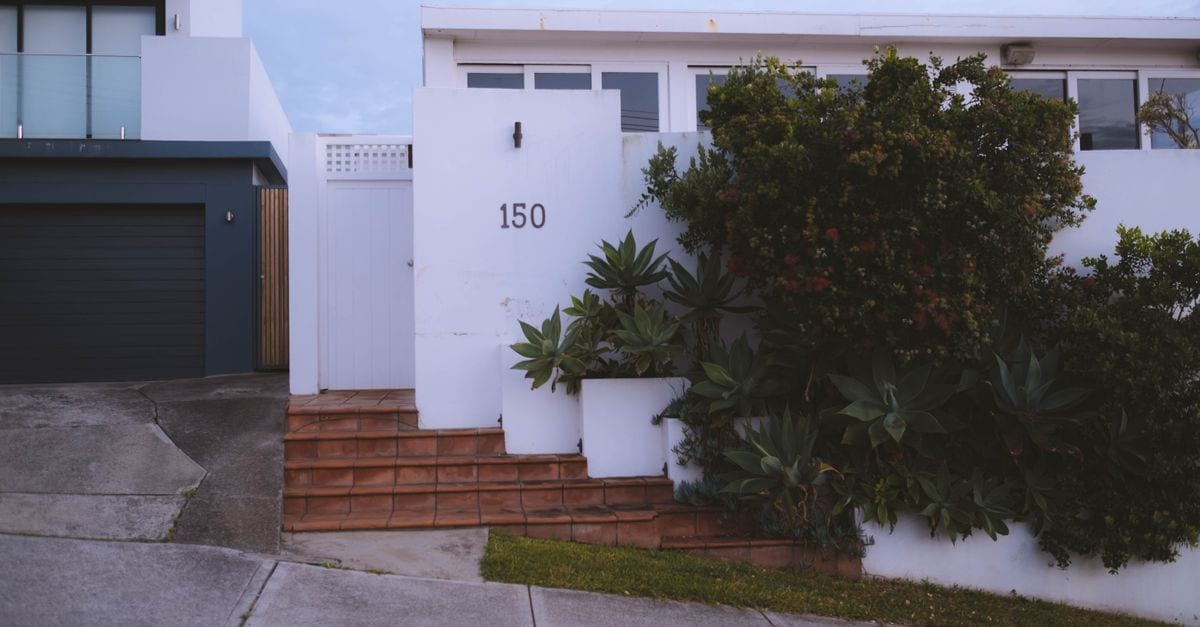
What driveway painting looks like
The two decisions that come before the colour
Both are worth settling before a coating is quoted, and both sometimes end the conversation.
Before anything
Sometimes the wash was the whole job
- Lifts algae, mould, traffic film and loose material
- Shows the true colour and condition of the slab
- Has to happen before any coating anyway
When paint is the wrong answer
The point where it is a new slab, not a coating
- A lip between sections means the ground has moved
- A crack that has opened will open again under the coat
- At that point the honest answer is a new driveway
Questions people ask before coating a driveway
The ones that come up once there is a slab to look at.
Get your driveway quote
Send the rough size, whether it is concrete or asphalt, whether anything has been put on it before, and a photograph of the worst patch. That is enough to quote from.