
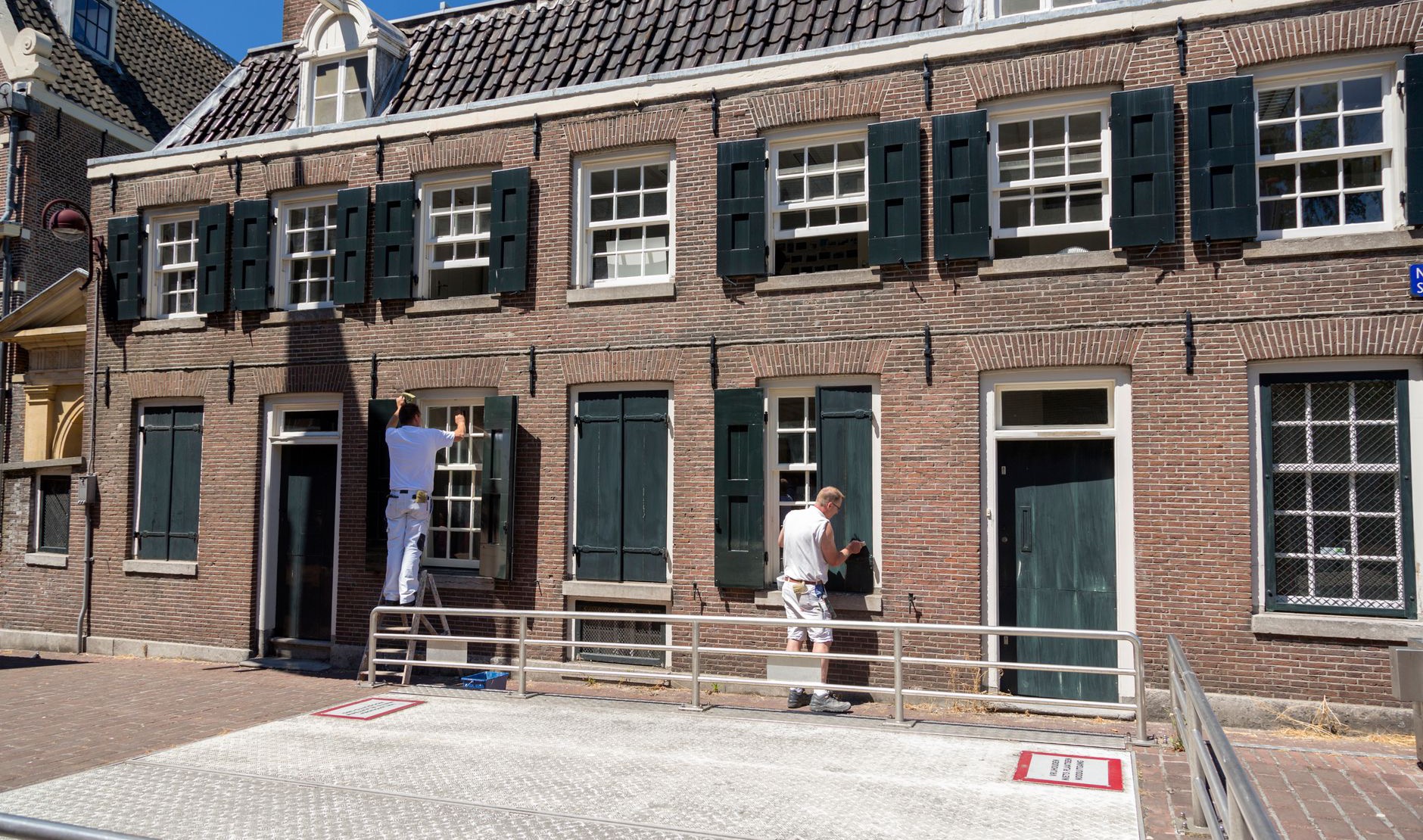
Exterior painting in Sydney
Exterior painting for Sydney homes and buildings
Render, brick, weatherboard and fibre cement, plus fascias, eaves, window frames, decks, fences and garage doors. The wash and the repairs come first, and the weather sets the week.
Get a free quoteLicensed and insured. Same day service.
Outside work
Six exterior surfaces, and what each one needs
Rendered and brick walls
Render moves, and hairline cracks open along the same lines every time. They are cut open and filled before a masonry coat goes on, or they telegraph straight back through it.
See repaintingWeatherboard and timber cladding
Timber swells through a humid summer and pulls back in winter, so the coat has to move with it. The cut ends of the boards are where failure starts, and soft boards are replaced rather than filled.
See carpentry and framingFascias, eaves and gutter boards
They face the sky, take the most UV and get the least attention. They are also the hardest to reach, which is why access is agreed at the quote rather than on the morning.
See all painting workWindows, doors and garage doors
Sashes, reveals and frames in old enamel have to be sanded to a key first. A dark garage door in full afternoon sun is the hottest surface on the house, and the colour is part of the specification.
See doors and windowsDecks, fences and gates
Grey weathered timber is dead fibre. It washes back to sound timber before any oil or paint goes on, or the finish sits on the grey and lifts with it.
See pressure cleaningWhole buildings and shopfronts
Strata blocks, offices and warehouses, where access, scaffolding and trading hours decide the program long before the colour does.
See commercial paintingThe order an exterior repaint has to run in
Before the quote
Walk the walls and find the failures
Chalk that comes off on your hand, paint lifting in sheets, swollen board ends, mould on the shaded side and rust bleeding out of a fixing. What turns up on this walk sets the scope. A quote written without it is the one that doubles halfway through.
Day one
Wash it, then let it dry right through
Dirt, chalked old paint, mould and, closer to the coast, salt. A coat laid over any of that bonds to the grime and not to the wall, and lets go in sheets a couple of summers later. Render and brick hold water after a wash and need a day or more before anything else happens.
Then
Scrape, feather and make good
Loose paint comes off back to a sound edge, and the step is sanded until you cannot feel it with your hand. Split or rotten timber is replaced rather than filled. Render cracks are cut open, filled and sanded. Mould is treated, because paint over mould feeds it.
Before any colour
Prime every bare patch, with the right primer
Bare timber, raw render, exposed fixings and fresh filler each take their own primer. Tannin rich timber and rusting steel need theirs specifically, and an ordinary undercoat over either shows a brown or orange ghost through the topcoat inside a year.
Topcoat
Follow the shade around the house
Paint that dries too fast in direct sun leaves lap marks and a weak film, so the eastern walls are done in the afternoon and the western walls in the morning. Two coats of an exterior grade acrylic, which stays flexible enough to move with the wall.
Every day of it
Watch the sky, not the calendar
A coat needs a dry surface going on and a dry night after it. A southerly through at four o clock ends the day early. A wet week moves the job, and there is no way around that which does not cost you the finish.
Render, timber and cladding each fail differently
The preparation changes with what the wall is made of, and so does what goes wrong when it is skipped.
Masonry is alkaline and porous, and render that went on recently is still curing. A masonry sealer goes down first, because a topcoat straight onto fresh render can be burnt by the alkali and lose its colour in patches you cannot fix without starting again.
Where it fails. Hairline cracks along the joints, and rising damp at the base of a wall pushing the coating off from behind. The crack is cut open and filled. The damp is a different trade, and painting over it wastes the paint and hides the problem.
The coat. Two coats of an exterior acrylic over the sealer. On a wall that has been painted many times and now chalks on your hand, the wash matters more than the product does.
Local conditions
What a Sydney exterior has to put up with
Salt air near the coast
Salt settles on render and timber and works its way under a coating from behind. Coastal walls want a thorough wash, and the faces taking the weather come up again sooner than the sheltered ones do.
Afternoon sun on the western wall
A west facing wall in January is hot enough to skin a coat before it can be brushed out, which leaves lap marks and a weak film. The work follows the shade, so that wall waits for the morning.
The weather window
A dry surface going on and a dry night after it. A southerly at four o clock ends the day, and a wet week moves the job rather than the finish. Nothing in the tin gets around that.
Two storeys, a terrace, no side path
Ladders need footing, and a terrace with a shared wall and a metre of side access may need scaffolding or a lift. That is priced at the quote, not discovered on the first morning.
Strata and shared walls
Common property needs an agreed colour scheme, committee sign off and booked access to balconies. It is the lead time rather than the painting that decides when a block can start.
Mould on the shaded side
The southern side of a Sydney house stays damp and grows mould on the render. Painting over it feeds it, so it is treated first, and it will come back anyway if the gutter above it is still overflowing.
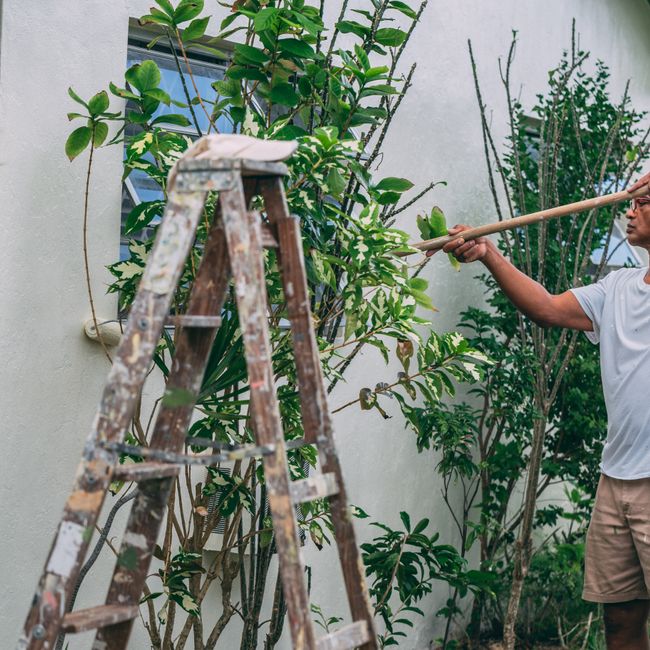
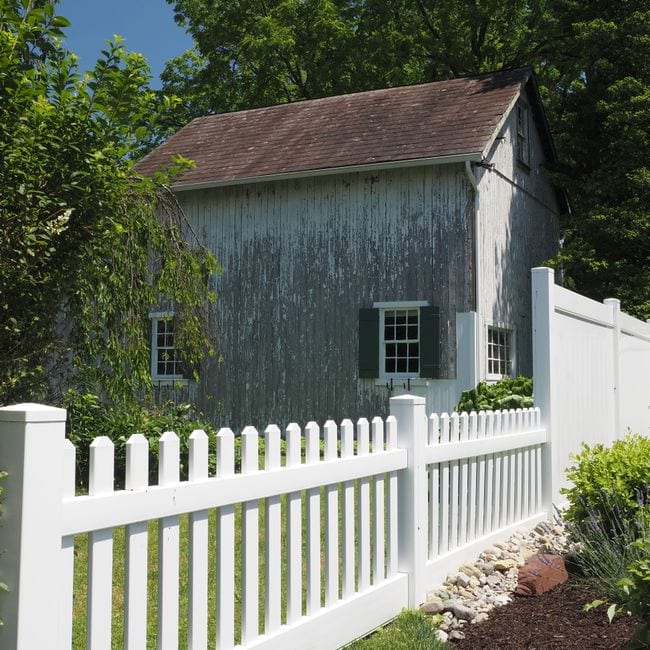
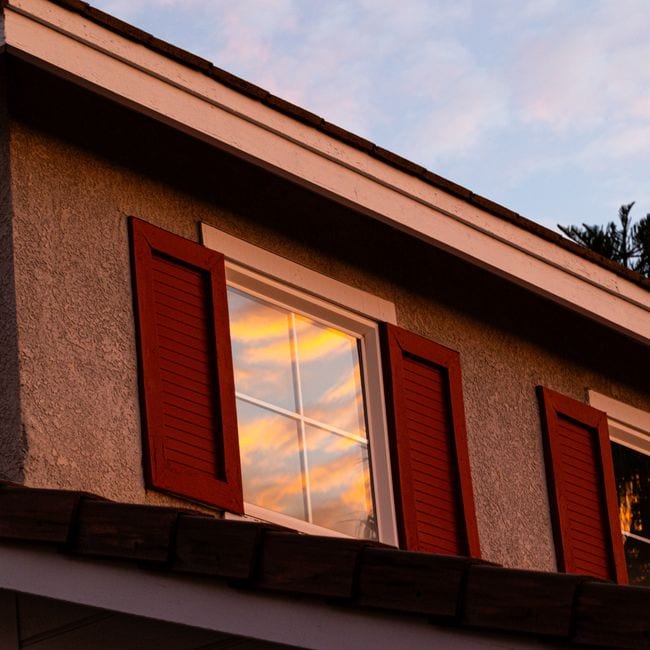
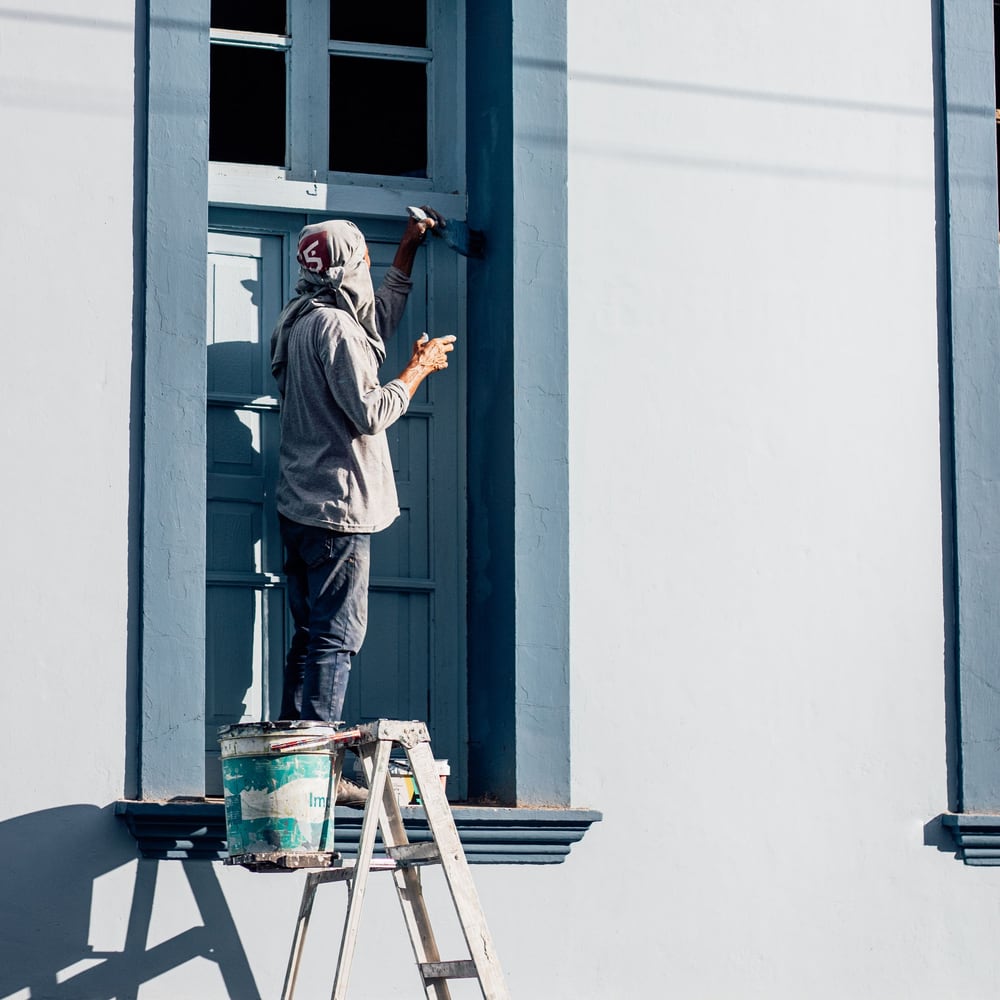
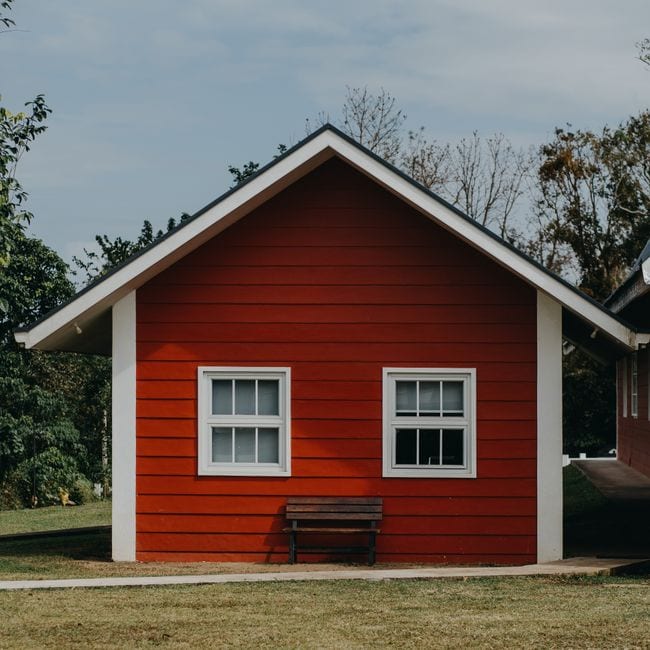

Work booked alongside an exterior repaint
Three jobs that turn up in the same quote, each one its own trade.
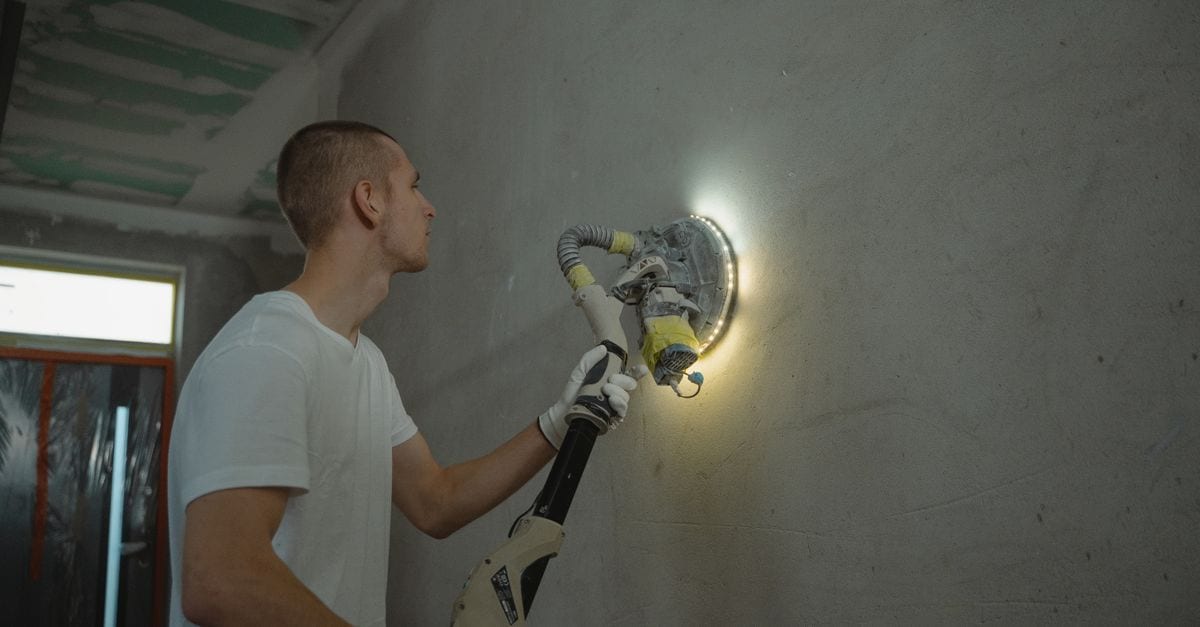
The wash that has to come first
Pressure cleaning, before anything else
- Lifts chalk, mould, salt and grime
- Shows up the repairs before they are quoted
- Needs drying time before any primer goes on
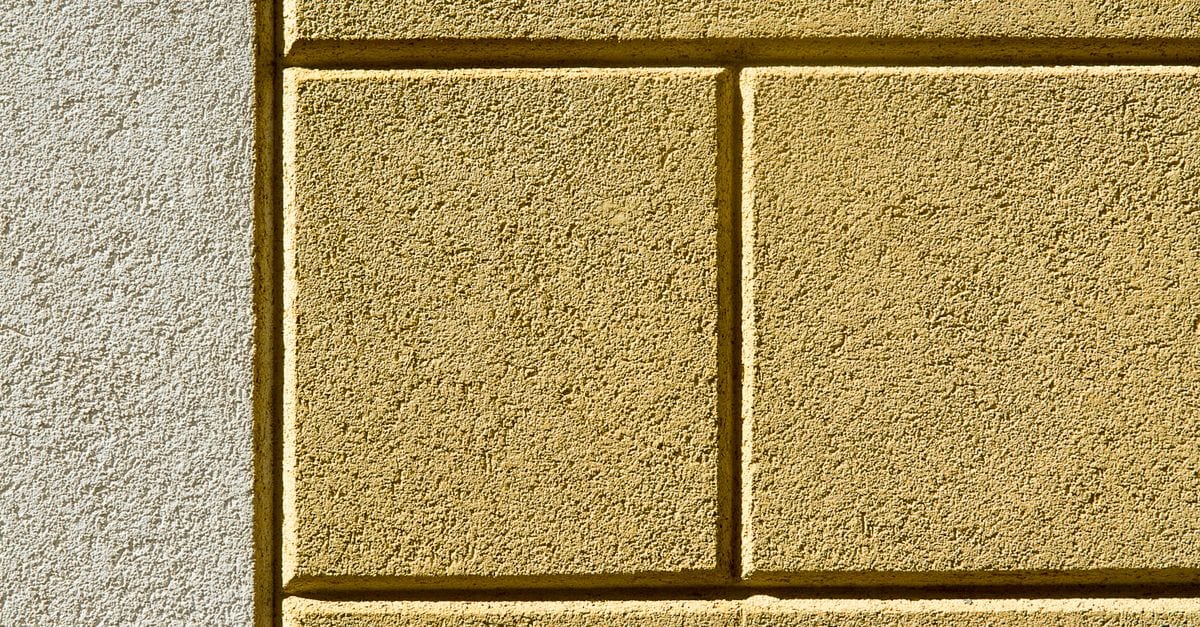
When the old coat is tired, not failed
Repainting a wall that is chalking
- Chalking washed back and sealed
- Flaking edges scraped and feathered
- The old colour sealed, then two coats
Where access decides the program
Strata blocks and commercial frontages
- Scheme and access agreed before the start
- Work staged around trading hours
- Anti graffiti coatings on exposed frontages
Questions people ask before an exterior repaint
The ones that decide when the job can run and what it will cost.
Get your exterior painting quote
Tell us what the walls are made of, whether it is single or double storey, and whether the decks, fences and garage door are in. A photo of the worst wall tells us more than a description does.